Proudly serving Phoenix, Mesa, Glendale, Scottsdale, Tempe, Chandler & surrounding areasCall or Text 24/7: 602-449-8153
Aerial view of Phoenix, AZ, showing desert foothills, saguaro cacti, and residential neighborhoods at sunset.

Phoenix Non Emergency Medical Transport: Wheelchair, Stretcher, Ambulatory in Phoenix, AZ

Phoenix Non Emergency Medical Transport provides scheduled wheelchair, stretcher, ambulatory, bariatric, dialysis, medical appointment, hospital discharge, senior, door-to-door, and long-distance transportation across Phoenix and the Salt River Valley. Our accessible rides are for patients who need supervised medical transportation but do not require an ambulance. Trained drivers and attendants help match each trip to the patient's mobility level, equipment needs, and destination. We coordinate local rides throughout Maricopa County as well as longer medical trips beyond the Phoenix metro area.

Phoenix spans 517.9 square miles, and trips from Ahwatukee, Sunnyslope, or Laveen to hospitals and clinics can cross heavy traffic on the 101, I-17, the I-10 split, or Loop 202. Summer temperatures that push past 110 degrees make long curbside waits especially difficult for patients with compromised health. More than 1.6 million people live in the city, while the metro area has 5.19 million residents, so dependable scheduling matters across the valley. We build pickup buffers around traffic and provide door-to-door assistance when a patient needs help between the residence, vehicle, and medical facility.

Our licensed and commercially insured operation follows HIPAA-compliant recordkeeping, and drivers and attendants complete CPR, first aid, passenger assistance, and safe patient handling training. We provide a clear cost estimate before each scheduled ride, accept AHCCCS authorization and private pay, and coordinate with Medicare Advantage plans that include transportation benefits. Call to discuss the trip and receive same-day confirmation for a scheduled ride.

★ ★ ★ ★ ★4.9/5 Average Rating · 20+ Years of Experience · Thousands of Customers Helped · Licensed & Insured · Patients, Families & Care Teams

Medical Transport You Can Trust

Licensed & Commercially Insured
CPR & First Aid Trained
AHCCCS Network Coordination
Phoenix Valley Service
Wheelchair, Stretcher & More

Accessible Medical Transportation Services

Non-emergency medical transportation provides scheduled, accessible rides for people who need patient assistance without ambulance-level care. The national NEMT market is roughly a $17 billion industry, and studies of modern programs report ride-cost savings of 30% to 70% and appointment no-show reductions of as much as 70%. Our Phoenix services cover ten mobility and appointment needs, with equipment and staffing matched to each rider.

Wheelchair Transportation

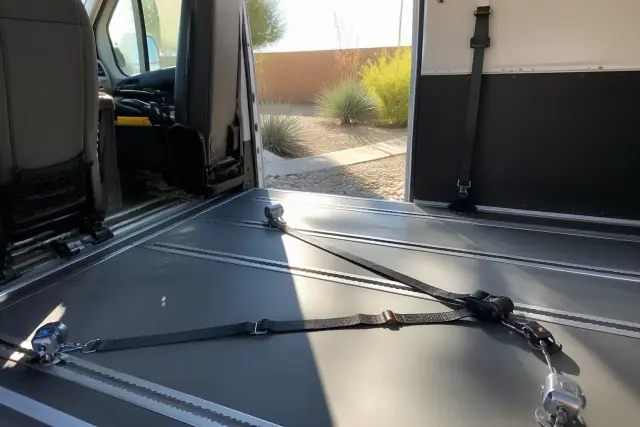
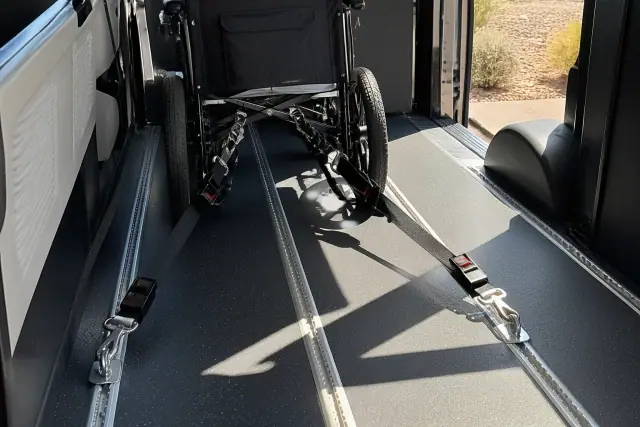
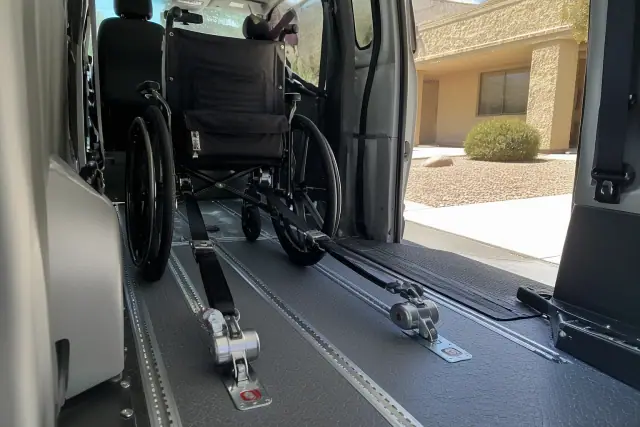
Empty wheelchair secured with tie-down straps inside an accessible transport van in Phoenix, AZ.

ADA-compliant vans use hydraulic lifts and locking stations for standard and heavy-duty wheelchairs. Before the vehicle moves, attendants check brakes, restraint straps, and headrest position, then secure the chair with a four-point tie-down system.

Explore Service

Stretcher Transportation

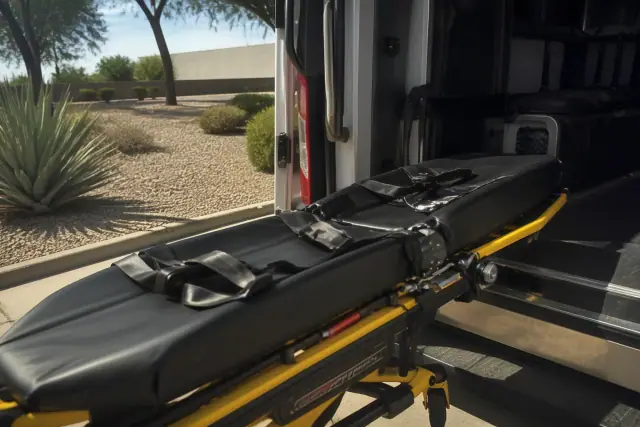
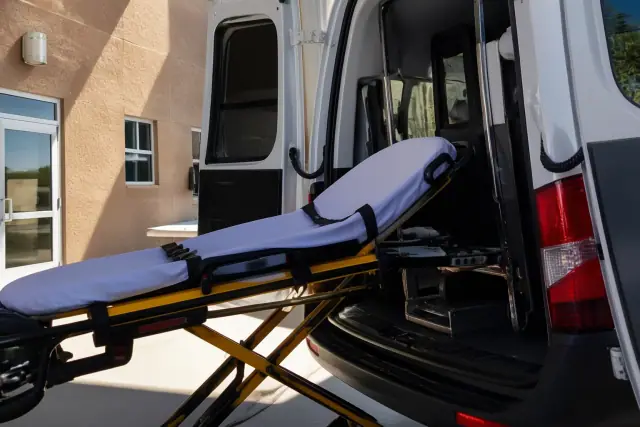
A stretcher secured in a transport vehicle in Phoenix, AZ, showing safety belts and locking mechanisms during loading.

Stretcher transportation serves patients who cannot sit upright for a full trip between hospitals, skilled nursing facilities, specialty clinics, and home. Attendants adjust the stretcher angle and padding for comfort, and the certified road-use tie-down track is inspected before each shift.

Explore Service

Ambulatory Transportation

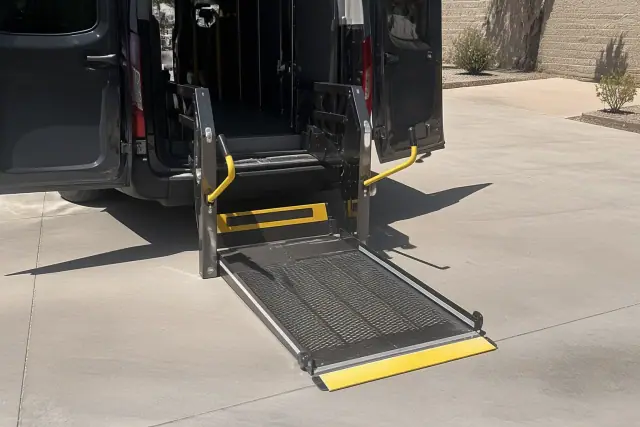
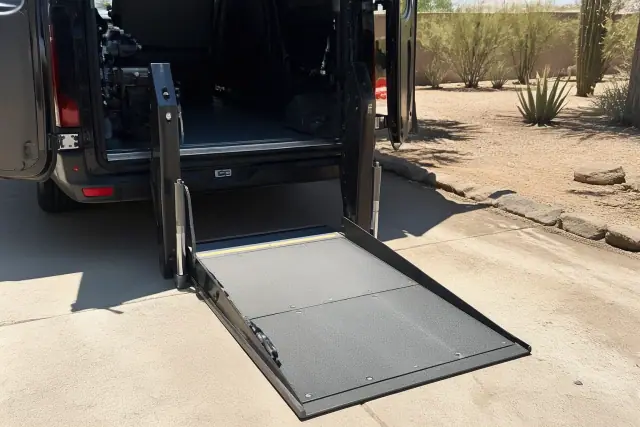
An automated hydraulic lift ramp deployed on the ground for mobility access at a work site in Phoenix, AZ.

Ambulatory rides are for patients who can walk with minimal or no assistance but still need supervised, accessible transportation. Drivers help with car doors, seatbelts, personal items, stairs, and uneven curbs from the front door to the vehicle and back.

Explore Service

Bariatric Transportation

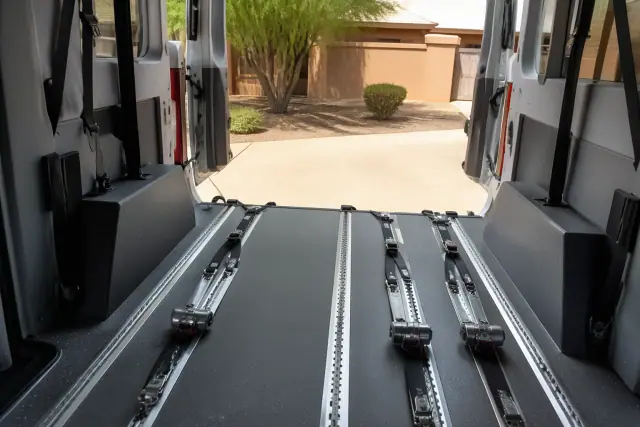
Interior of a bariatric transport vehicle showing heavy-duty wheelchair tie-downs in Phoenix, AZ.

Dedicated bariatric vehicles carry wider stretchers, reinforced wheelchairs, higher weight-rated lifts, heavy-duty ramps, reinforced flooring, and stronger anchor points. When a trip requires two trained attendants and specialized equipment, staffing and vehicle needs are confirmed before pickup.

Dialysis Transportation

Interior of a dialysis transport vehicle with securement straps and desert landscaping visible in Phoenix, AZ.

Dialysis patients often travel three times a week, so recurring schedules are built around the treatment center and consistent drivers are assigned where possible. Routes may serve Banner facilities, Mayo Clinic Phoenix, or independent dialysis centers, with cabin temperature, driving pace, and check-ins adjusted when a rider feels fatigued, lightheaded, or nauseated after treatment.

Medical Appointment Transportation

Interior of a medical transport vehicle with wheelchair tie-down straps and tracking systems in Phoenix, AZ.

Scheduled rides cover primary care, specialist consultations, physical therapy, cancer treatment, imaging, oncology, outpatient surgery, and other medical appointments across greater Phoenix. Pickup plans include traffic buffer time around busy freeway corridors so patients can arrive without a last-minute rush.

Hospital Discharge Transportation

Stretcher secured at the rear doors of a transport vehicle during a patient loading procedure in Phoenix, AZ.

Hospital discharge transportation is coordinated with case managers and family members before the patient leaves the hospital. The team confirms mobility level, equipment needs, home layout, and attendant count, then helps the patient through the front door and into a chair or bed when needed.

Senior Medical Transportation

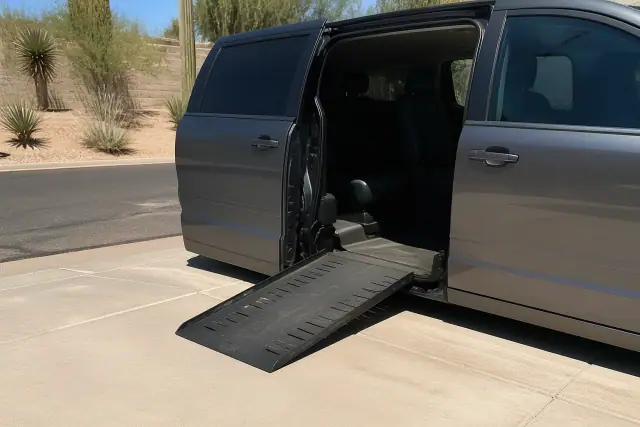
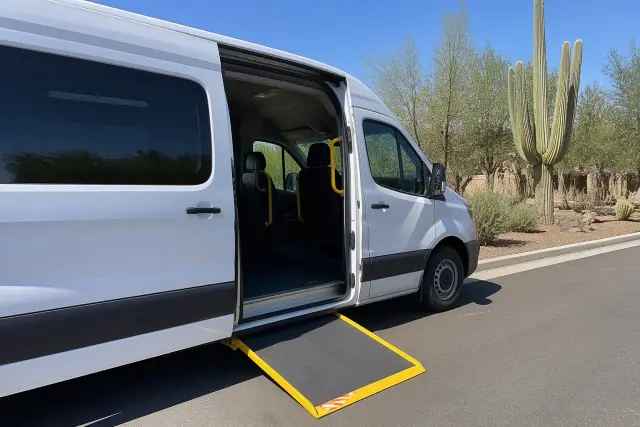
A medical transport van with an extended ramp parked at a Phoenix, AZ residence with desert landscaping.

Senior medical transportation serves riders who may use a cane, walker, or wheelchair, including patients in Sun City, Sun Lakes, and the East Valley. Attendants allow a slower pace, communicate directly with the patient, and match assistance to the rider's mobility rather than offering a one-size-fits-all trip.

Door-to-Door Medical Transportation

Medical transport van parked at a Phoenix, AZ home with side doors open and ramp visible.

Door-to-door service begins at the patient's entrance, not the curb, which helps at gated communities, apartment complexes, and homes with long driveways. Attendants assist with thresholds, stairs, and uneven walkways, and the return trip can be arranged at booking so the patient is not left waiting for another ride.

Long Distance Medical Transportation

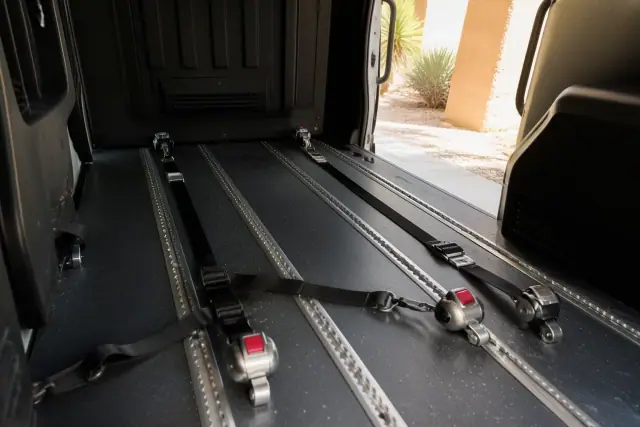
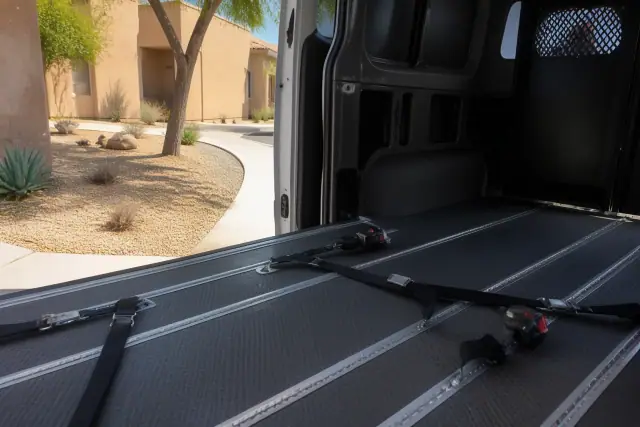
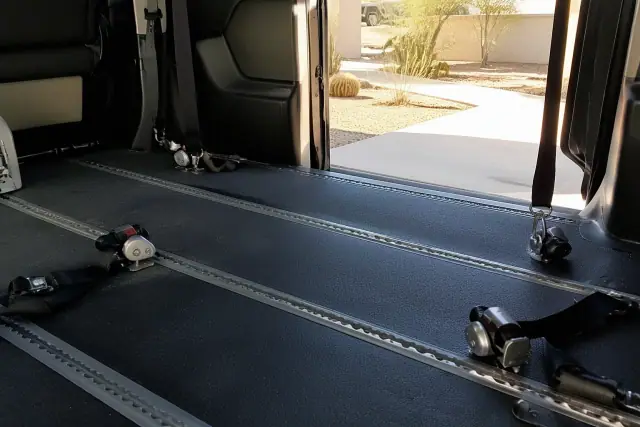
Interior of a medical transport van with floor tracking and tie-down straps in Phoenix, AZ.

Long-distance medical transportation includes specialist trips to Tucson, Flagstaff, and out-of-state treatment centers. These rides typically run $200 to $500 or more depending on mileage and patient needs, with planned rest stops, hydration breaks, equipment checks, and regular comfort adjustments because a two-hour trip requires different planning than a twenty-minute local ride.

Specialized Patient Support

More Than a Ride: Specialized Transport Support

Medical transportation depends on the right equipment, careful coordination, and assistance that continues beyond the curb. These support details help families, facilities, and patients plan an appropriate ride for mobility needs, recurring care, discharge, or longer travel.

Automated hydraulic lift ramp lowered to the ground for mobility access at a desert venue in Phoenix, AZ.

Mobility-Specific Vehicles and Equipment

The vehicle and securement setup are selected for the patient's mobility level rather than adapted at the last minute.

  • ADA-compliant vans with hydraulic wheelchair lifts
  • Locking stations for standard and heavy-duty wheelchairs
  • Certified road-use stretcher tie-down tracks
  • Wider bariatric stretchers, lifts, and reinforced anchor points
  • Routine vehicle safety inspections consistent with Arizona Department of Transportation requirements
Four-point tie-down straps secured to a floor tracking system for a mobility device in a vehicle in Phoenix, AZ.

Recurring and Discharge Ride Coordination

Recurring treatment and hospital discharge rides are planned with the people and facilities involved in the patient's care.

  • Recurring dialysis schedules confirmed around treatment times
  • Consistent drivers assigned when possible
  • Advance coordination with hospital case managers and family
  • Mobility level, home layout, and attendant count confirmed
  • Return transportation arranged during booking
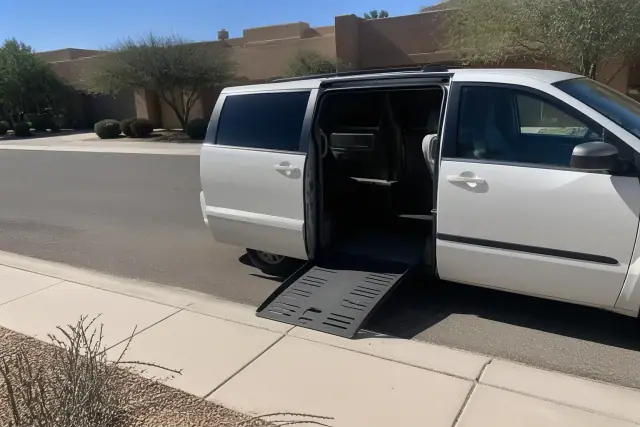
A vehicle parked with its sliding doors open and ramp deployed for boarding in Phoenix, AZ, set against desert landscaping.

Patient Assistance Beyond the Curb

Attendants support the parts of a medical trip that ordinary curb-to-curb transportation may not cover.

  • Help with doors, seatbelts, and personal items
  • A steadying arm for stairs and uneven curbs
  • Assistance across thresholds and walkways
  • Post-discharge help into a chair or bed
  • Calm communication for sensory, cognitive, or mobility limitations
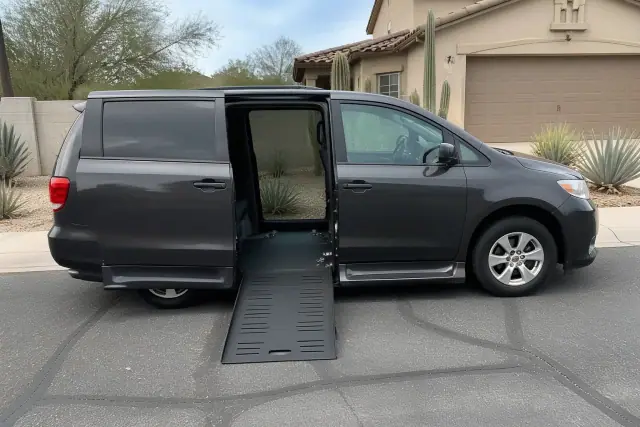
Transport vehicle with open sliding doors and an internal safety ramp parked on a paved surface in Phoenix, AZ.

Ride Cost and Benefit Coordination

Pricing is generally structured per trip and reflects distance, mobility level, staffing, and required equipment.

  • A clear cost estimate provided before scheduling
  • Mileage and wait time considered for longer trips
  • AHCCCS authorization accepted for eligible rides
  • Private-pay transportation available
  • Coordination with Medicare Advantage transportation benefits
Training, Equipment & Coordination

Why Phoenix Patients and Families Choose Us

Patients and families need more than a driver when mobility equipment, a hospital discharge, or a recurring treatment schedule is involved. Our approach combines trained assistance, purpose-built vehicles, and detailed trip coordination while protecting patient information through HIPAA-compliant protocols.

Trained Patient Assistance

Drivers and attendants complete passenger assistance, safe patient handling, CPR, and first aid training before working independently. Background checks and ongoing performance reviews reinforce careful, respectful support for patients with mobility, sensory, or cognitive limitations.

Purpose-Built Accessible Vehicles

Wheelchair, stretcher, and bariatric trips use vehicles equipped for the patient's mobility needs, including lifts, securement tracks, reinforced equipment, and climate control. Securement systems are checked regularly rather than relying on improvised arrangements in a standard passenger vehicle.

Clear Trip Coordination

The office confirms destination, mobility level, equipment, home access, staffing, and return-ride needs before dispatch. Patients receive a cost estimate before scheduling, and coverage questions can be coordinated for AHCCCS authorization or qualifying Medicare Advantage transportation benefits.

When an Ordinary Ride Is Not Enough

Medical Transportation Problems We Help Solve

A missed treatment, an inaccessible vehicle, or a curbside drop-off can create a serious barrier for someone with limited mobility. The right NEMT plan accounts for patient condition, securement, assistance, timing, and the full path between home and the medical destination.

Discuss Your Transport Needs

Missed Recurring Appointments

Dialysis and other repeating treatments depend on dependable pickup and return schedules. Recurring bookings establish the route and timing in advance, reducing uncertainty around each appointment.

Wheelchair Loading Barriers

A standard vehicle may not have the lift, locking station, or trained assistance needed for a wheelchair rider. Accessible vans and careful securement make loading and travel safer and more predictable.

Inability to Sit Upright

Patients recovering from surgery or managing chronic pain may be unable to remain seated for an entire trip. Stretcher transport provides adjustable positioning and secure road-rated equipment between care settings.

Post-Treatment Fatigue

Dialysis and other treatments can leave patients fatigued, lightheaded, or nauseated on the trip home. A patient-focused ride can adjust cabin temperature, driving pace, and check-in frequency for comfort.

Curbside-Only Drop-Offs

A curbside ride may not help a patient manage stairs, thresholds, a long driveway, or the transition into a chair or bed. Door-to-door assistance covers those gaps at pickup and return.

Long or Heat-Exposed Trips

Cross-valley and regional medical trips can involve desert heat, congestion, and highway stretches with limited services. Route planning includes appropriate air conditioning, rest stops, hydration breaks, equipment checks, and position changes.

How It Works

How a Scheduled Medical Transport Ride Works

Each booking is shaped around the destination, patient mobility, equipment, access at the residence, and whether a return trip is needed. Confirming those details before dispatch helps the correct vehicle and trained personnel arrive for the ride.

01.

Share the Trip Details

Provide the pickup address, medical destination, appointment timing, and whether the trip is one-way or round-trip. Longer trips also require mileage, wait-time, and comfort planning.

02.

Confirm Mobility Needs

Explain whether the patient walks independently, uses a cane, walker, wheelchair, stretcher, or bariatric equipment. Share stairs, thresholds, uneven walkways, and other home-access details.

03.

Review Cost and Coverage

The office prepares a trip estimate based on distance, mobility level, staffing, and equipment. AHCCCS authorization, private pay, or qualifying Medicare Advantage transportation benefits can be discussed before scheduling.

04.

Match the Vehicle and Crew

A suitable ambulatory, wheelchair, stretcher, or bariatric vehicle is assigned along with the required attendant count. Equipment and securement systems are checked for the planned rider.

05.

Complete a Safe Pickup

The driver or attendant provides the agreed door-to-vehicle assistance, secures mobility equipment, checks restraints and patient positioning, and keeps the loading process calm and unhurried.

06.

Arrive and Support the Return

Traffic buffer time supports an on-time arrival at the medical facility. For round trips and hospital discharges, the team follows the confirmed return plan and provides the arranged assistance at home.

Phoenix-Area and Regional Transport Coverage

Local rides connect Phoenix neighborhoods and communities across the Salt River Valley and Maricopa County with hospitals, clinics, and treatment centers. Long-distance medical transportation also supports planned specialist trips to Tucson and Flagstaff.

  • Phoenix
  • Ahwatukee
  • Sunnyslope
  • Laveen
  • Arcadia
  • Downtown Phoenix
  • Scottsdale
  • Glendale
  • Tempe
  • Mesa
  • Sun City
  • Sun Lakes
  • East Valley
  • Greater Phoenix
  • Phoenix Metro Area
  • Salt River Valley
  • Maricopa County
  • Tucson
  • Flagstaff
Interior of a transport van with wheelchair tie-down straps and tracking systems in Phoenix, AZ.

Honest Feedback from Phoenix Medical Transport Customers

Patient & Family Feedback
★ ★ ★ ★ ★

My mother uses a heavy-duty wheelchair, and the attendant checked every tie-down before leaving our Arcadia home. The careful loading and calm explanation made the whole appointment trip feel manageable.

AL
Amanda L.Family Caregiver • Arcadia
★ ★ ★ ★ ★

I have recurring dialysis appointments, and arranging the pickup schedule ahead of time has taken a lot of stress off my family. On the ride home to Mesa, the driver kept the van cool and checked in when I felt lightheaded.

MT
Michael T.Dialysis Rider • Mesa
★ ★ ★ ★ ★

The office coordinated with the hospital before my father's discharge and sent a vehicle that matched his mobility needs. The attendants helped him through our Tempe doorway and into his chair instead of leaving us at the curb.

PS
Priya S.Family Caregiver • Tempe
★ ★ ★ ★ ★

I use a walker and appreciate that the driver speaks directly to me and never rushes the steps outside my Sun City home. My return ride was already scheduled, so I wasn't left waiting after the appointment.

DK
Daniel K.Senior Rider • Sun City
Plan a Safe, Accessible Ride

Schedule Your Phoenix
Medical Transport
Ride

Tell us where the patient is going, what mobility assistance is needed, and whether to arrange a return trip. We will match the ride to the appropriate vehicle and personnel, review payment or benefit coordination, and provide a clear estimate before scheduling.

Phoenix NEMT Help

Phoenix Medical Transportation Questions, Answered

Use these answers to compare mobility options, understand scheduling and coverage, and prepare for a local or long-distance medical ride. Call if the patient's condition, equipment, or destination requires a more specific plan.

Call About a Ride

Non-emergency medical transportation is usually priced per trip rather than strictly per hour. The estimate depends on mileage, mobility level, staffing, equipment, and any wait time. A local ambulatory or wheelchair ride generally costs less than stretcher or bariatric transportation. Phoenix Non Emergency Medical Transport provides a cost estimate before scheduling.

Available services include wheelchair, stretcher, ambulatory, bariatric, dialysis, medical appointment, hospital discharge, senior, door-to-door, and long-distance transportation. The appropriate service depends on the patient's mobility, equipment, destination, and assistance needs.

Original Medicare covers non-emergency medical transportation only in limited circumstances, generally when a physician certifies that it is medically necessary and other transportation would be unsafe. Some Medicare Advantage plans offer broader transportation benefits for dialysis, physical therapy, or routine appointments. Coverage varies by plan, so confirm benefits and required documentation with the specific plan before scheduling.

The right option depends on whether the senior walks independently or uses a cane, walker, wheelchair, or stretcher. Dedicated medical transportation includes trained assistance, mobility equipment, and door-to-door support that a standard ride may not provide. Recurring scheduling can also simplify regular dialysis or physical therapy appointments.

Phoenix residents may consider Valley Metro, rideshare services, hospital-arranged discharge transportation, AHCCCS-coordinated rides, or a dedicated NEMT provider. Public transit and standard rideshares do not provide stretcher transport, wheelchair-locking systems, or attendant-level patient assistance, so the patient's mobility needs should guide the choice.

Eligible AHCCCS members may receive no-cost non-emergency transportation to covered medical and behavioral health appointments through the Medicaid transportation benefit. Some senior centers and community organizations in Maricopa County also provide limited free or low-cost rides. Eligibility and availability vary, so contact the plan or 211 Arizona for current details.

The wheelchair is placed in a locking station and secured with a four-point tie-down system before the vehicle moves. Attendants also check the chair's brakes, restraint straps, and headrest positioning. Hydraulic lifts support safe loading into ADA-compliant vans.

Stretcher transportation is intended for a non-emergency patient who cannot sit upright for the full trip, including some people recovering from surgery or managing chronic pain. It can connect hospitals, skilled nursing facilities, specialty clinics, and home using an adjustable stretcher secured to a road-rated track.

Bariatric transportation uses equipment designed for larger patients, including wider stretchers, reinforced wheelchairs, higher weight-rated lifts, heavy-duty ramps, reinforced flooring, and higher-capacity anchor points. Dedicated vehicles carry this equipment instead of retrofitting a standard van at pickup.

Yes. Recurring scheduling confirms the route and treatment timing in advance, and a consistent driver is assigned when possible. Return rides can account for post-treatment fatigue, lightheadedness, or nausea with appropriate cabin temperature, driving pace, and check-ins.

The office coordinates with the hospital case manager and family before discharge. Mobility level, equipment, home layout, pickup timing, and attendant count are confirmed so the right vehicle arrives. Attendants can help the patient through the front door and into a chair or bed when needed.

Door-to-door service means an attendant comes to the patient's entrance rather than waiting only at the curb. Assistance can include thresholds, stairs, uneven walkways, doors, seatbelts, and personal items. The same support can be included on a scheduled return trip.

Yes. Long-distance transportation supports planned specialist trips to Tucson, Flagstaff, and out-of-state treatment centers. The route plan can include rest stops, hydration breaks, equipment checks, temperature adjustments, and patient repositioning for extended travel.

Have the pickup location, medical destination, appointment time, mobility level, required equipment, and one-way or return-trip needs ready. Also share stairs, thresholds, uneven walkways, or other access details at the residence. If using AHCCCS or a Medicare Advantage transportation benefit, ask what authorization or documentation the plan requires.