Proudly serving Phoenix, Mesa, Glendale, Scottsdale, Tempe, Chandler & surrounding areasCall or Text 24/7: 602-449-8153
Aerial view of Phoenix, AZ, showing desert foothills, saguaro cacti, and residential neighborhoods at sunset.

Wheelchair Transportation in Phoenix, AZ: ADA Accessible Vehicles, Ramps & Securement for Medical Rides

Phoenix Non Emergency Medical Transport provides wheelchair transportation in Phoenix, Arizona, with dedicated trips for medical appointments, dialysis, and hospital discharge. Our services also include stretcher, ambulatory, bariatric, senior, door-to-door, and long-distance medical transportation. Wheelchair-accessible vehicles use ramps and four-point securement for standard and bariatric chairs. We coordinate rides across the Valley for homes, clinics, hospitals, and assisted living facilities.

Phoenix temperatures can push past 110 degrees for weeks, making a delayed pickup especially difficult for medically fragile riders. Across a city spanning 517.9 square miles and a metro area of roughly 5.19 million residents, dedicated scheduling helps patients avoid shared-ride detours. Drivers build in transfer time so boarding is not rushed and moderate the cabin temperature during loading and transit. Defined pickup windows help families plan around treatment, check-in, and discharge timing.

Vehicles are built to ADA Title III specifications, and stretcher units use certified gurney tracks. Drivers complete CPR and First Aid certification through the American Heart Association, FMCSA-aligned background and driving-record screening, and training in transfer technique, securement, and patient handling.

Phoenix Non Emergency Medical Transport provides wheelchair transportation throughout Phoenix, Scottsdale, Tempe, Mesa, Glendale, Chandler, and greater Maricopa County.

★ ★ ★ ★ ★4.9/5 Average Rating · 20+ Years of Experience · Thousands of Customers Helped · Licensed & Insured · Patients, Families & Care Teams

Wheelchair Transportation Options

What Is Wheelchair Transportation?

Wheelchair transportation is dedicated non-emergency medical transportation for riders who cannot safely use a standard passenger car or shared transit route. The trip is matched to the passenger's mobility needs, appointment time, pickup setting, and destination before dispatch.

Wheelchair-accessible vans use low-angle fold-out or in-floor ramps, reinforced flooring, restraint anchors tested to automotive securement standards, and four-point tie-downs. Drivers lock the wheelchair brakes, secure the chair frame, and position the passenger's seatbelt harness before departure.

The service also accounts for the rider's comfort and care needs. Crews allow extra boarding time, secure walkers, canes, and portable oxygen equipment, moderate the cabin temperature, and explain the route and estimated arrival time.

Benefits of Dedicated Wheelchair Transportation

A dedicated medical ride combines an accessible vehicle, a trained crew, and scheduling built around the patient's actual care plan. That structure supports safer transfers and more predictable arrivals than relying on an unprepared passenger vehicle.

  • Dedicated pickup scheduling without shared-route detours
  • Door-to-door assistance from the specified entrance to the appointment desk
  • Same-day capacity for changing medical needs
  • Recurring schedules for dialysis and therapy visits
  • Climate-controlled loading and travel in triple-digit summer heat
  • Secure handling of wheelchairs, walkers, canes, and portable oxygen
  • Coordination with case managers, hospitals, and treatment centers
  • AHCCCS or private-insurance benefit verification and private-pay quotes
Medical Ride Services

Medical Transportation Services

Choose the service that fits the rider's mobility, treatment schedule, and transfer needs. Available transportation includes wheelchair, stretcher, dialysis, bariatric, hospital discharge, and senior medical rides.

Wheelchair Transportation

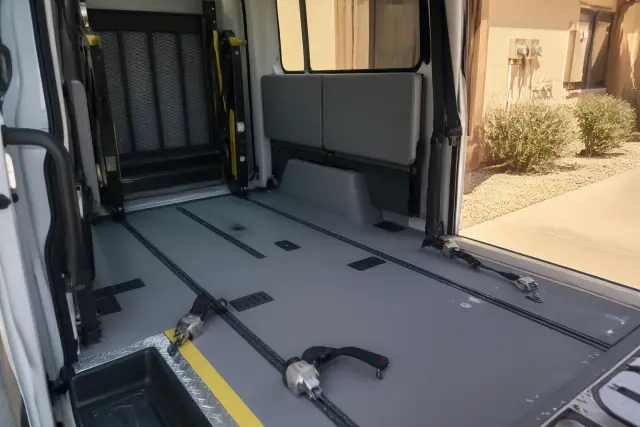
Interior of a wheelchair transport vehicle with floor tracking and secured tie-down straps in Phoenix, AZ.

Dedicated wheelchair-accessible vans carry standard and bariatric chairs using ramps, reinforced floors, restraint anchors, and four-point securement. A trained driver assists with boarding, confirms the chair and passenger restraints, and keeps the ride direct.

Request Estimate

Stretcher Transportation

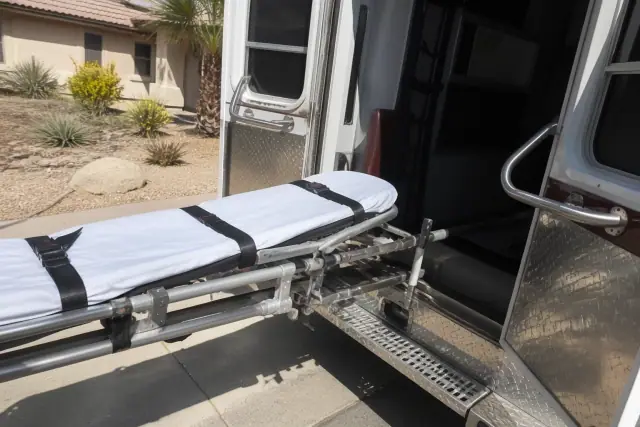
Stretcher secured at the rear of a transport vehicle during a residential pickup in Phoenix, AZ.

Non-ambulatory patients who must remain supine travel in gurney-equipped vehicles with locking tracks, IV pole mounts, and reinforced loading ramps. Trained attendants monitor comfort and vital signs when required and coordinate the handoff with sending and receiving staff.

Request Estimate

Dialysis Transportation

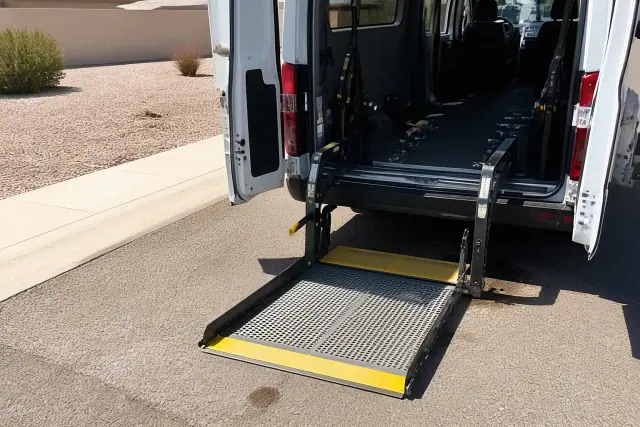
Hydraulic lift ramp deployed on a wheelchair transport vehicle in Phoenix, AZ, with tie-down straps visible on the floor.

Dialysis riders often travel three times a week, so standing pickups are built around the treatment calendar instead of booked one trip at a time. The team coordinates check-in and return timing with the center, allows for post-treatment fatigue, and provides confirmation calls before each ride.

Request Estimate

Bariatric Transportation

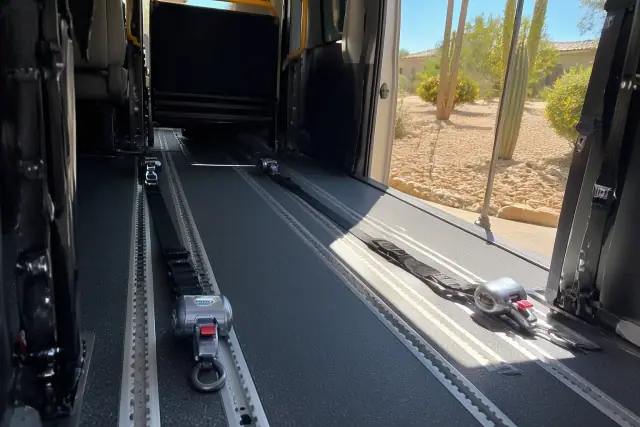
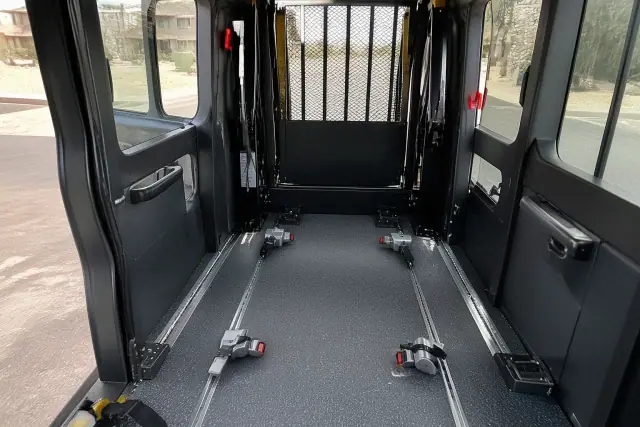
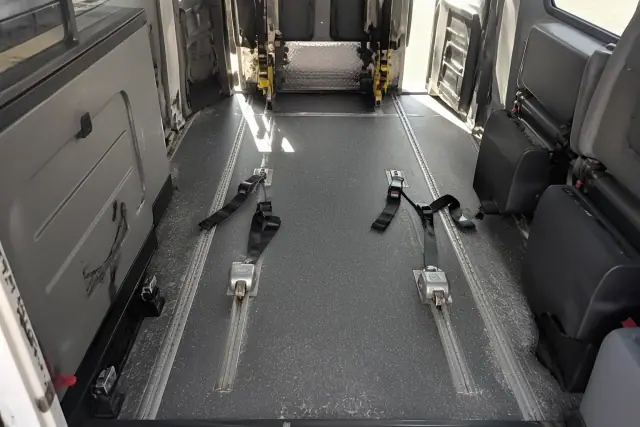
Interior of a wheelchair transport vehicle with floor-integrated tie-down straps in Phoenix, AZ.

Bariatric-capable vehicles provide wider doorways and cabins, reinforced ramps and flooring, and heavy-rated securement anchors. Crews use equipment built for higher weight capacities and follow bariatric transfer techniques that protect safety, stability, comfort, and dignity.

Request Estimate

Hospital Discharge Transportation

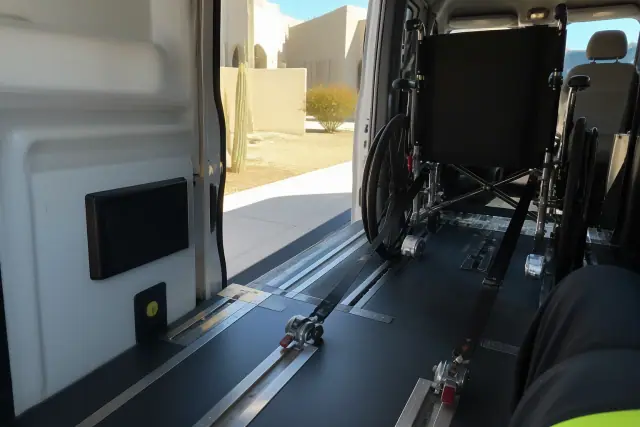
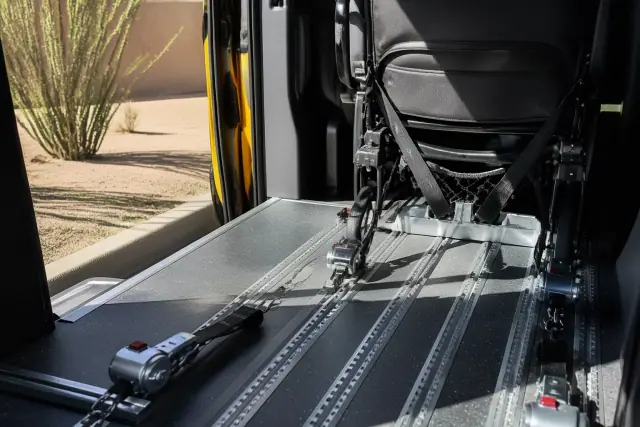
Wheelchair securement straps inside a transport van with desert views in Phoenix, AZ.

Drivers work with discharge planners and case managers to confirm pickup once paperwork clears. The crew assists from the hospital bed or wheelchair into the vehicle and again at home, accounting for post-surgical restrictions, pain, and mobility limitations.

Request Estimate

Senior Medical Transportation

Interior of a wheelchair-accessible transport van with tie-down straps, with Phoenix, AZ desert views outside the door.

Senior transportation allows extra boarding time and uses supportive transfer methods for riders with balance concerns or fragile bone conditions. The team coordinates with assisted living staff, and family caregivers or aides may ride along when seating allows.

Request Estimate
More Ways We Help

Additional Medical Transportation Options

Transportation can be arranged around the passenger's ability to transfer, the level of assistance needed at each entrance, the appointment schedule, and the travel distance. These options cover ambulatory riders, door-to-door help, medical appointments, recurring therapy, and trips beyond Phoenix.

Wheelchair securement station with tie-down straps inside an ambulatory van in Phoenix, AZ.

Ambulatory Transportation

Ambulatory medical transportation supports riders who do not require a wheelchair or stretcher vehicle but cannot safely drive or transfer into a standard car without assistance. The ride remains dedicated and timed around medical care rather than a shared shuttle route.

  • Transfer assistance based on the rider's mobility
  • Support for walkers, canes, and portable oxygen
  • Pickup timing aligned with clinic check-in
  • Climate-controlled travel for medically fragile riders
  • Route and arrival-time briefing before departure
Request Estimate
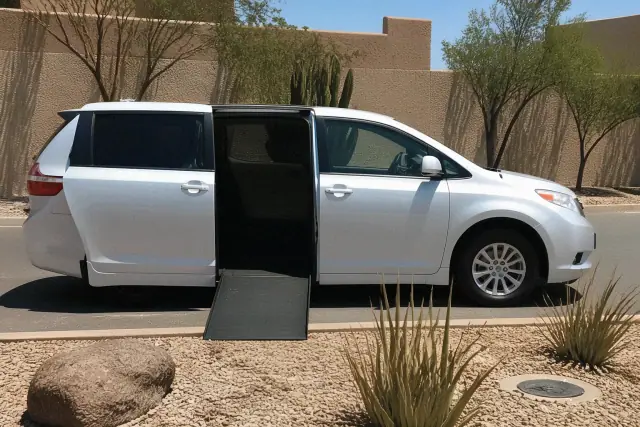
Wheelchair accessible vehicle with side doors open for boarding on a driveway in Phoenix, AZ.

Door-to-Door Transportation

Door-to-door transportation goes beyond a curbside drop-off. The driver comes to the specified entrance, assists with the transfer, and stays with the passenger until the rider reaches the appointment desk or receiving staff.

  • Pickup from a residence, assisted living facility, or discharge unit
  • Identity and destination confirmation before departure
  • Assistance across the curb line and through the facility entrance
  • Secure loading of wheelchairs and other mobility devices
  • Patient handoff at the appointment desk
Request Estimate
Wheelchair securement station with four-point tie-down straps inside a vehicle in Phoenix, AZ.

Medical Appointment Transportation

Medical appointment rides are planned around check-in requirements, treatment timing, and the passenger's transfer needs. Pickup windows account for Phoenix traffic while direct facility coordination helps reduce missed or delayed care.

  • Appointment-time confirmation before the trip
  • Buffer time for clinic check-in and careful transfers
  • Route planning around the I-10 and I-17 corridors
  • Rides for treatment when self-driving is unsafe after sedation
  • Service to facilities near Banner - University Medical Center, Phoenix Children's Hospital, and the Mayo Clinic Hospital campus off Loop 101
Request Estimate
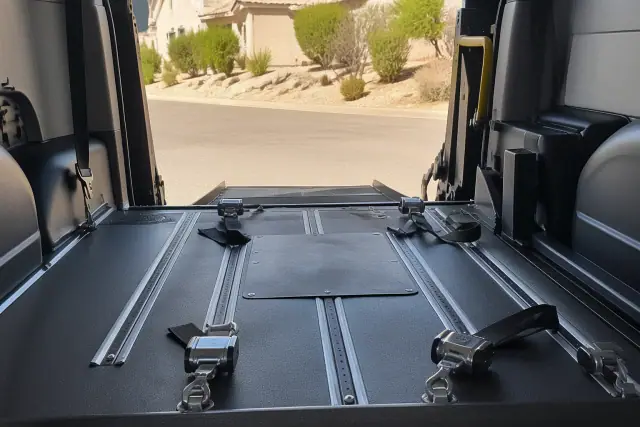
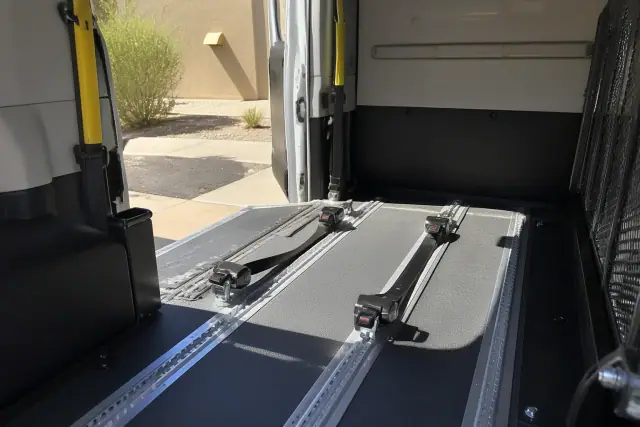
Wheelchair tie-down straps anchored in a transport vehicle in Phoenix, AZ, with desert landscaping visible outside.

Recurring Therapy Transportation

Recurring rides can be scheduled for therapy and other ongoing treatment so families do not need to arrange every visit separately. Standing pickup times and advance confirmations keep the transportation plan aligned with the care calendar.

  • Standing pickup times for the weeks ahead
  • Advance confirmation calls before each trip
  • Appointment and return-ride coordination
  • Consistent drivers whenever scheduling allows
  • Adjustments for changing clinic or treatment times
Request Estimate
Wheelchair securement station with four-point tie-down straps inside a medical transport vehicle in Phoenix, AZ.

Long-Distance Medical Transportation

Long-distance transportation connects Phoenix patients with specialist appointments, rehabilitation transfers, and treatment centers beyond the standard Maricopa County service radius. Trips may extend across Arizona to Tucson or Flagstaff and to out-of-state treatment centers.

  • Rest-stop planning for extended travel
  • Extra hydration planning for patients
  • Route timing for desert heat and highway conditions
  • Climate-controlled cabins and supportive seating
  • Trained attendants for medically fragile passengers
Request Estimate
Finding Your Right Fit

Choosing the Right Transportation Approach

The right ride depends on whether the passenger can walk, remain seated in a wheelchair, or must lie on a stretcher; whether bariatric equipment is needed; and how much assistance is required at each entrance. Scheduling also accounts for one-time, same-day, recurring, discharge, or long-distance travel.

ADA-Accessible Fleet

Wheelchair-accessible vehicles use low-angle ramps, four-point securement, reinforced flooring, and climate control. Standard and bariatric chairs are matched to equipment designed for stable loading and transit.

Trained Transport Specialists

Drivers complete CPR and First Aid certification, background and driving-record screening, transfer-assist instruction, wheelchair securement training, and ongoing safety refreshers. They are medical transport specialists rather than general rideshare contractors.

Direct Facility Coordination

The team coordinates appointment timing, discharge paperwork, check-in requirements, return rides, and patient handoffs with case managers, hospitals, dialysis centers, and assisted living staff. That communication helps the vehicle and crew arrive prepared for the trip.

What Sets Us Apart

Why Choose Us for Wheelchair Transportation?

Each booking is matched to a defined vehicle type, trained crew, pickup window, and care destination. Same-day capacity supports changing medical needs, while recurring scheduling helps dialysis and therapy riders plan transportation in advance.

Request a Ride

Unsafe Standard-Vehicle Transfers

A standard car can force a difficult manual transfer when the passenger cannot safely leave a wheelchair. An accessible vehicle and trained crew reduce improvisation by using a ramp, securement anchors, and a transfer process matched to the rider.

Shared-Ride Delays and Detours

Public ADA transit may involve shared routes that do not fit tightly timed medical care. Dedicated transportation provides a defined pickup window and a direct trip planned around treatment, discharge, or check-in requirements.

Missed Dialysis Sessions

A missed dialysis session is more than an inconvenience. Standing weekly pickups, advance confirmations, center coordination, and careful post-treatment transfers create a transportation routine around the patient's treatment calendar.

Rushed Hospital Discharges

Discharge timing can shift while paperwork is completed, leaving families unsure when or how a patient will get home. Direct coordination with the discharge planner pairs the cleared pickup with a vehicle suited to post-surgical restrictions and mobility limits.

Heat During Loading and Transit

Triple-digit Phoenix heat can be especially hard on medically fragile passengers during slow transfers. Drivers moderate the cabin, allow unhurried boarding, and plan hydration and rest stops for extended trips.

Equipment That Does Not Fit

Standard ramps, doorways, floors, and securement points may not be appropriate for a bariatric passenger. Wider cabins and doors, reinforced equipment, and heavy-rated anchors provide the capacity and stability needed for respectful transport.

How It Works

Our Wheelchair Transportation Process

Every ride starts with the passenger's mobility and scheduling requirements, then moves through vehicle matching, facility coordination, secure loading, and handoff. The process is designed to keep families, riders, and care teams informed from booking through arrival.

01.

Share the Ride Details

Provide the pickup entrance, destination, appointment or discharge timing, mobility device, transfer needs, and whether a caregiver will travel. These details establish the right pickup window and service type.

02.

Confirm Coverage and Quote

The team helps verify AHCCCS or private-insurance NEMT benefits when coverage may apply. If the ride is private pay, a straightforward quote is provided before transportation is arranged.

03.

Match the Vehicle and Crew

Scheduling assigns a wheelchair-accessible, gurney-equipped, bariatric-capable, or ambulatory vehicle based on the passenger's needs. The crew receives the transfer, securement, equipment, and patient-handling requirements before pickup.

04.

Coordinate Pickup Timing

Appointment time, clinic check-in, discharge clearance, return needs, and traffic conditions shape the pickup window. Case managers and facility staff are contacted directly when coordination is needed.

05.

Secure and Transport

At pickup, the driver confirms identity and destination, assists with loading, locks wheelchair brakes, applies the tie-downs and passenger restraint, and secures other mobility equipment. The passenger is briefed on the route and estimated arrival time before departure.

06.

Complete the Handoff and Return

The driver assists the passenger to the appointment desk, home entrance, or receiving facility staff. Return transportation, follow-up appointments, and recurring rides can be scheduled so the next trip is already part of the care plan.

Plan Your Ride

Schedule Wheelchair
Transportation in
Phoenix

Call to request same-day wheelchair transportation or arrange recurring dialysis, therapy, discharge, appointment, or long-distance rides. Share the passenger's mobility, transfer, timing, and destination details so the proper vehicle and crew can be scheduled.

Ride Planning Help

Wheelchair Transportation FAQs

These answers cover scheduling, accessibility, recurring rides, coverage, service areas, and the assistance available before and during transport.

Call to Plan a Ride

Yes. Capacity is held for same-day medical transportation alongside scheduled recurring rides, including changing discharge and urgent-care needs. Call with the pickup location, destination, timing, and mobility requirements so the available vehicle can be matched correctly.

Wheelchair-accessible vans use low-angle fold-out or in-floor ramps, reinforced flooring, restraint anchors, four-point chair securement, and a passenger seatbelt harness. Climate control supports passenger comfort during loading and travel in Phoenix heat.

Yes. Non-ambulatory patients may travel in gurney-equipped vehicles with locking tracks, IV pole mounts, and reinforced loading ramps. Trained attendants monitor comfort and vital signs when required and coordinate the facility handoff.

Yes. Standing weekly pickups can be arranged around the patient's treatment calendar, with confirmation calls before each trip. The team coordinates check-in and return timing with the dialysis center and allows for a slower post-treatment transfer.

Yes. Bariatric-capable vehicles use wider doorways and cabins, reinforced ramps and flooring, and heavy-rated securement anchors. Crews also train in bariatric transfer techniques for stable, respectful loading and travel.

The driver comes to the specified entrance, assists with the transfer and loading, and stays with the passenger until the appointment desk or receiving staff. Service can begin at a private residence, assisted living facility, or hospital discharge unit.

Yes. Crews assist with wheelchairs, walkers, canes, and portable oxygen equipment during loading and unloading. Each device is secured for the ride instead of being left loose in the cabin.

Some trips may qualify through AHCCCS or private-insurance NEMT benefits, depending on the plan and medical-necessity documentation. The team helps verify coverage before the ride and provides a private-pay quote when insurance does not apply.

The team works with discharge planners and case managers to confirm pickup after paperwork clears. The crew then assists with the transfer into the vehicle and at home while accounting for post-surgical restrictions and mobility limitations.

A family caregiver or aide may ride along when vehicle seating allows. Pickup details can also be coordinated directly with assisted living staff or the patient's care team.

Service covers Phoenix, Scottsdale, Tempe, Mesa, Glendale, Chandler, Peoria, Sun City, Ahwatukee, and the greater Maricopa County area. Rides also reach major hospitals, clinics, dialysis centers, residences, and assisted living facilities across the Valley.

Yes. Long-distance rides are available across Arizona to places such as Tucson and Flagstaff, as well as out-of-state treatment centers. Extended-trip planning includes rest stops, hydration, desert heat, highway conditions, supportive seating, and climate control.

Drivers complete CPR and First Aid certification through the American Heart Association and FMCSA-aligned background and driving-record screening. Training also covers transfer assistance, wheelchair securement, patient handling, and ongoing safety refreshers.