Proudly serving Phoenix, Mesa, Glendale, Scottsdale, Tempe, Chandler & surrounding areasCall or Text 24/7: 602-449-8153
Aerial view of Phoenix, AZ, showing desert foothills, saguaro cacti, and residential neighborhoods at sunset.

Long Distance Medical Transportation in Phoenix, AZ: Regional Travel to Specialty Care Facilities

Phoenix Non Emergency Medical Transport provides long distance medical transportation from Phoenix, AZ, for patients traveling to specialty care across Arizona and beyond. Phoenix spans 517.9 square miles, and some local patients need specialists in Tucson, Flagstaff, Los Angeles, or at the Mayo Clinic campus. The service supports ambulatory passengers as well as wheelchair, stretcher, and bariatric patients. It also covers dialysis appointments, medical appointments, hospital discharges, senior rides, and door-to-door assistance.

A standard car may be unsuitable when a patient cannot sit upright for three or four hours, travels with mobility equipment, or needs hands-on help between the home and destination. Wheelchair-accessible vans use hydraulic lifts and four-point tie-down anchors, while stretcher coaches use hospital-grade cot fastening systems. Drivers and attendants complete CPR and First Aid certification, defensive driving training, and passenger-handling instruction, and the company carries commercial auto insurance and follows Arizona Department of Transportation vehicle safety requirements.

Trips generally qualify as long distance at 60 miles or more, and each trip receives an individual quote based on mileage, vehicle type, and level of care before departure.

Phoenix Non Emergency Medical Transport provides long distance medical transportation from Phoenix and the surrounding metro area, including Mesa, Scottsdale, Tempe, Chandler, and Glendale, to Tucson, Flagstaff, Yuma, and out-of-state medical facilities.

★ ★ ★ ★ ★4.9/5 Average Rating · 20+ Years of Experience · Thousands of Customers Helped · Licensed & Insured · Patients, Families & Care Teams

Long Distance Medical Transport Options & Benefits

What Is Long Distance Medical Transportation?

Long distance medical transportation connects Phoenix-area patients with specialty care beyond the normal local service radius. Common destinations include Tucson, Flagstaff, Yuma, out-of-state medical facilities, and programs outside Maricopa County for transplant follow-ups, oncology treatment, or rehabilitation.

Trips lasting more than two hours call for route planning around rest stops, medication timing, driver rotation, and traffic. Dispatch builds in buffer time for Sun Corridor slowdowns on I-10 so an extended drive is less likely to disrupt an appointment.

Ambulatory sedan or SUV transport commonly runs $2 to $4 per mile, while wheelchair-accessible vans commonly run $3 to $6 per mile. A Phoenix-to-Tucson wheelchair trip often falls between $520 and $1,100; stretcher transport on the same route can run $1,500 to $3,400, depending on crew requirements and medical monitoring needs. The company quotes each route individually and may offer flat-rate options on certain long distance routes.

Benefits of Planned Medical Transport

The right service level helps match the passenger's mobility, equipment, comfort, and scheduling needs to a suitable vehicle and crew.

  • Access specialty care beyond the Phoenix area
  • Match ambulatory, wheelchair, stretcher, or bariatric needs
  • Plan rest stops, medication timing, and route buffers
  • Secure wheelchairs and durable medical equipment separately
  • Use consistent drivers for recurring dialysis routes
  • Coordinate changing discharge times with hospital case managers
  • Allow extra pickup time for older adults with balance or vision changes
  • Provide inside assistance, destination escort, and scheduled return support
Extended-Route Services

Medical Transportation Services

Long distance trips can be arranged around the passenger's ability to walk, remain in a wheelchair, lie on a stretcher, travel with bariatric equipment, attend recurring treatment, or leave a hospital safely.

Long Distance Medical Transportation

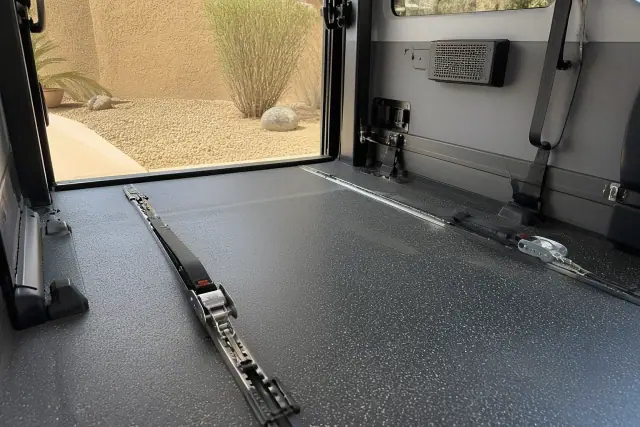
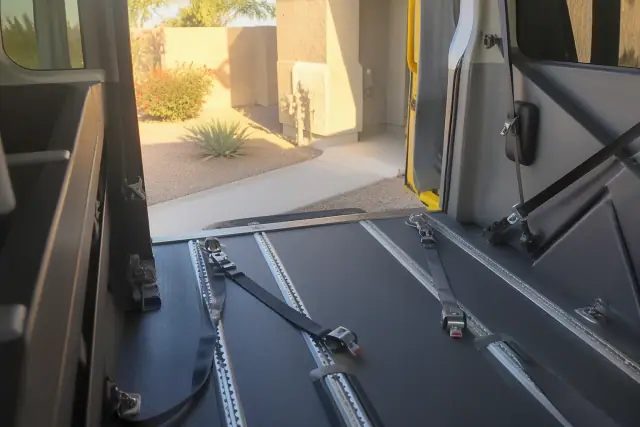
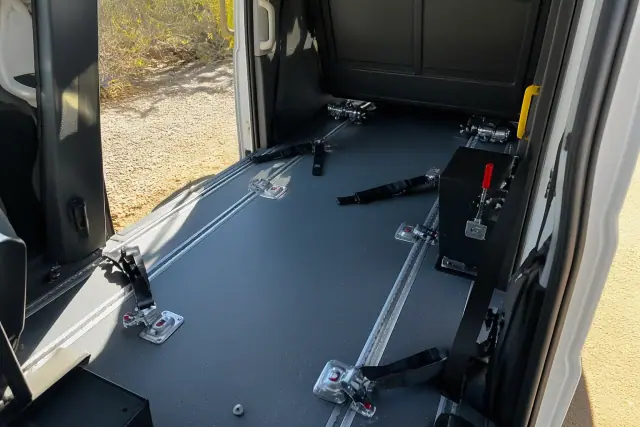
Wheelchair tie-down station inside a medical transport vehicle in Phoenix, AZ, with desert scenery visible outside.

Extended routes use vehicles selected for passenger mobility, Arizona summer heat, highway travel, and the fuel range needed to limit unnecessary stops. Route planning accounts for comfort breaks, medication timing, traffic, and the destination's check-in schedule.

Request Estimate

Wheelchair Transportation

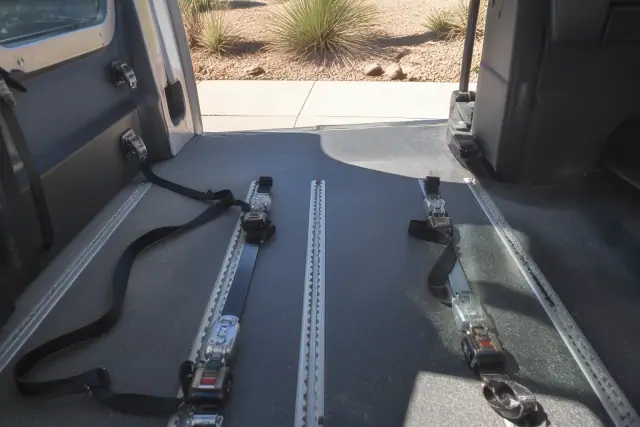
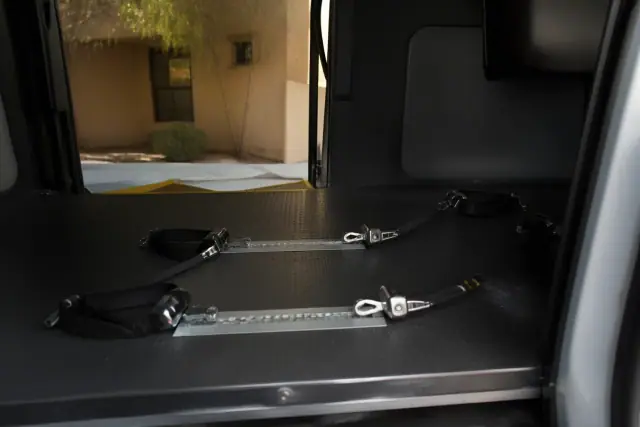
Wheelchair securement station with four-point tie-down straps in a medical transport vehicle in Phoenix, AZ.

Wheelchair-accessible vans use hydraulic or platform lifts with backup manual operation, lowered floors, widened door openings near 32 inches, and non-slip flooring. Mobility devices are secured to frame-anchored tie-down points for highway merges and sudden stops on routes such as Loop 202 and I-17.

Request Estimate

Stretcher Transportation

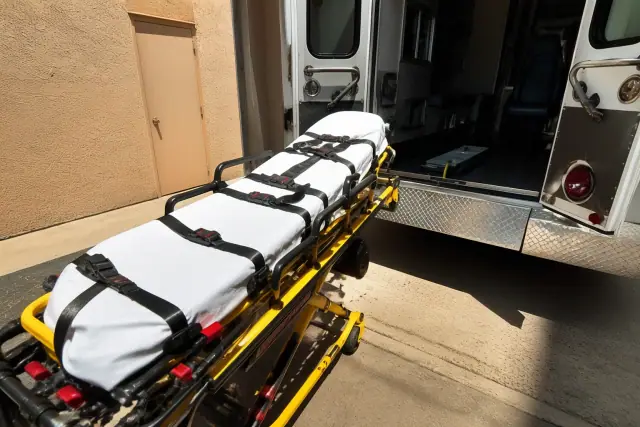
A medical stretcher secured at the rear of a transport vehicle during loading in Phoenix, AZ.

Stretcher crews use a two-person lift protocol and locking cot fasteners. Coaches include onboard oxygen mounts, IV pole brackets, and a raised roofline that gives attendants standing clearance during an extended transfer.

Request Estimate

Dialysis Transportation

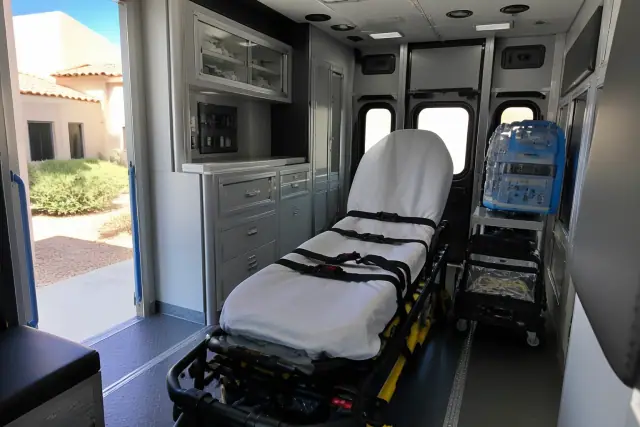
Interior of a dialysis medical transport vehicle cabin in Phoenix, AZ, showing equipment and safety restraints.

Recurring dialysis routes are typically scheduled for three round trips per week with a consistent driver whenever possible. Dispatch adds buffers for I-10 and Loop 101 congestion because arriving even 15 minutes late can jeopardize a treatment chair slot.

Request Estimate

Hospital Discharge Transportation

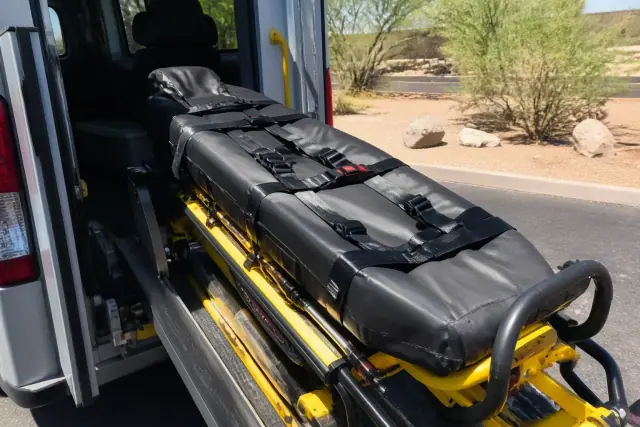
A stretcher with safety belts being loaded into a vehicle during a transport job in Phoenix, AZ.

Dispatch confirms pain levels, mobility restrictions, and whether the patient can sit upright before pickup. Case managers can adjust discharge timing by an hour or more, so the team coordinates directly with Phoenix-area hospitals and secures portable equipment for the ride home.

Request Estimate

Bariatric Transportation

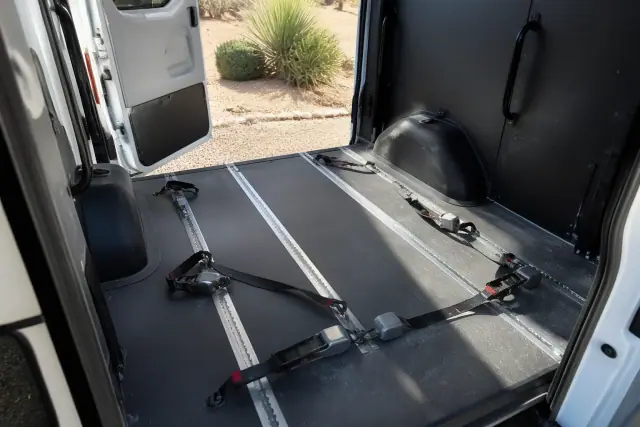
Interior of a bariatric transport vehicle with wheelchair tie-downs, parked by a xeriscaped front yard in Phoenix, AZ.

Bariatric vehicles provide reinforced ramps, higher-capacity flooring, wider cabin space, powered loading equipment, and reinforced securement points. Assigned crews receive additional body-mechanics training to reduce fall risk, protect dignity, and limit strain during transfers.

Request Estimate
Patient and Trip Options

Patient and Trip Options

Trip planning begins with the passenger's mobility, pickup assistance, appointment schedule, equipment, payment pathway, and destination. These options help dispatch identify the appropriate service level.

Wheelchair securement station with tie-down straps in a medical transport van parked in Phoenix, AZ.

Ambulatory Transportation

Ambulatory transportation is designed for patients who can walk independently or with minimal assistance and do not need a wheelchair lift or stretcher.

  • Sedan or SUV transport for qualifying passengers
  • Minimal walking assistance when needed
  • No wheelchair lift or stretcher required
  • Mobility questions reviewed during booking
  • Vehicle selection based on route and passenger needs
Request Estimate
Wheelchair securement station with tie-down straps inside a medical transport van in Phoenix, AZ.

Senior Medical Transportation

Senior transportation builds extra time and practical assistance into pickup and travel for older adults managing slower gait, balance concerns, vision changes, or heat sensitivity.

  • Unhurried pickup for slower gait and balance needs
  • Padded seating for longer rides
  • Adjustable climate zones during Phoenix summers
  • Grab handles positioned for arthritic hands
  • Health changes relayed to receiving staff
Request Estimate
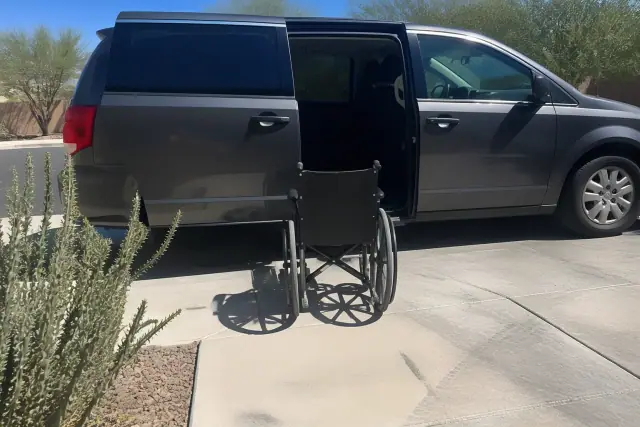
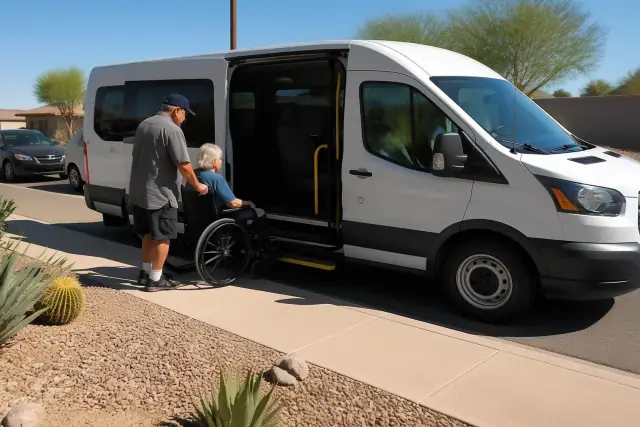
Medical transport van with doors open for passenger boarding at a curbside in Phoenix, AZ, near desert landscaping.

Door-to-Door Medical Transportation

Door-to-door service can begin inside a home or assisted living facility and continue through check-in at the destination rather than stopping at the curb.

  • Inside pickup when the passenger needs assistance
  • Transfer help from a bed or recliner to a wheelchair
  • Help gathering necessary items before departure
  • Support locking up the home before the trip
  • Escort to the front desk with scheduled return availability
Request Estimate
A transport vehicle parked curbside for passenger boarding assistance in Phoenix, AZ.

Medical Appointment Transportation

Appointment transportation supports specialty visits, transplant follow-ups, oncology treatment, rehabilitation programs, dialysis, and other scheduled medical care.

  • Pickup timed to the destination's check-in window
  • Standing schedules for recurring treatment
  • Route buffers for Phoenix-area congestion
  • Rest-stop and medication timing for extended trips
  • Return-trip coordination when scheduled
Request Estimate
Wheelchair securement station with four-point tie-down straps in a medical transport vehicle in Phoenix, AZ.

AHCCCS Transportation Coordination

Phoenix Non Emergency Medical Transport meets the credentialing standards required to serve AHCCCS transportation benefits and also works with private-pay and out-of-pocket passengers.

  • Transportation for eligible members to approved appointments
  • Support for routine specialist and dialysis trips
  • Prior authorization reviewed when the health plan requires it
  • Authorization paperwork coordinated before the trip
  • Private-pay options for passengers outside plan coverage
Request Estimate
Finding the Right Fit

Choosing the Right Transport Approach

Dispatch matches the trip to whether the passenger can walk, remain seated in a wheelchair, tolerate sitting upright, or requires a stretcher or bariatric setup. The destination, route length, accompanying equipment, transfer assistance, crew size, and level of care all affect the vehicle and plan.

Route-Ready Accessible Vehicles

Accessible vans and stretcher coaches are configured for extended travel with securement equipment, climate control suited to Arizona summer heat, and space for the passenger's mobility devices or durable medical equipment.

Trained Drivers and Attendants

Drivers and attendants complete CPR and First Aid certification, defensive driving training, and passenger-handling instruction. Crews working with stretchers, bariatric lifts, or dialysis passengers also receive task-specific handling guidance.

Coordinated Scheduling and Clear Quotes

Dispatch coordinates appointment times, hospital discharge changes, route buffers, vehicle type, and crew needs. Every long distance trip is quoted individually by mileage, vehicle, and level of care so the amount is known before the trip is booked.

What Sets Us Apart

Why Choose Our Long Distance Medical Transportation?

From vehicle matching and route planning through assisted pickup and destination check-in, the service is organized around the passenger's mobility, equipment, timing, and comfort. Call with the route and care details to receive the appropriate vehicle recommendation and trip quote.

Get a Trip Quote

Difficulty Sitting Upright for Long Trips

A long ride in a standard car may not work for a patient with post-surgical restrictions, pain, weakness, or a need to remain on a stretcher. Dispatch asks how the passenger can safely travel before assigning a vehicle.

Wheelchairs That Need Secure Highway Transport

A mobility device must remain stable through highway acceleration, merging, braking, and turns. Lift-equipped vans use frame-anchored securement so the chair is not relying on an ordinary vehicle seat or loose floor attachment.

Time-Sensitive Dialysis Appointments

Dialysis chair times leave little room for missed pickup windows, and post-treatment fatigue can make waiting especially difficult. Standing schedules, familiar drivers, climate-controlled cabins, and shorter idle times support recurring trips.

Changing Hospital Discharge Times

Discharge orders can move after a ride is scheduled. Coordination with hospital nursing staff and case managers helps confirm the passenger's mobility restrictions, pickup timing, and equipment before the trip home.

Medical Equipment Traveling With the Patient

Portable oxygen, walkers, wheelchairs, and other durable medical equipment can shift if they are not secured separately. Dispatch needs an equipment list in advance so the right space and securement setup are available.

Heat, Traffic, and Extended-Route Fatigue

Phoenix summer heat, highway congestion, and unnecessary fuel stops can make a long transfer harder on the passenger. Extended-route planning considers climate control, vehicle range, rest stops, medication timing, and traffic on corridors such as I-10.

How It Works

Our Long Distance Transport Process

Each trip is planned around the passenger, route, destination, schedule, equipment, payment method, and return needs. Providing complete details early helps dispatch assign the appropriate vehicle and crew.

01.

Share Trip and Patient Details

Provide the pickup and destination, appointment or discharge timing, mobility level, ability to sit upright, transfer assistance, medical equipment, and return-trip needs.

02.

Match the Vehicle and Crew

Dispatch selects ambulatory, wheelchair, stretcher, or bariatric transportation and confirms whether the trip requires an attendant or a larger crew.

03.

Confirm Quote or Plan Authorization

Private-pay trips receive a written quote based on mileage, vehicle type, and level of care. For eligible AHCCCS trips, the team coordinates required health-plan authorization paperwork before travel.

04.

Build the Route and Timing Plan

The route is planned around check-in time, traffic buffers, rest stops, medication timing, driver rotation, fuel range, and Arizona heat conditions.

05.

Complete Assisted Pickup

At pickup, attendants can assist from inside the home, help with the transfer to a wheelchair or stretcher, gather necessary items, and secure accompanying equipment.

06.

Escort, Check-In, and Return

At the destination, the passenger can be escorted inside and checked in with front-desk staff. When arranged, dispatch remains available for the scheduled return trip.

Plan Your Trip

Schedule Long Distance Medical
Transportation

Tell Phoenix Non Emergency Medical Transport where the patient is traveling, when check-in is required, how the patient moves, and what equipment will accompany them. Dispatch can recommend the service level and prepare a route-specific quote.

Trip Planning Help

Long Distance Medical Transportation FAQs

Use these answers to compare service levels, plan timing, understand coverage, and prepare the information dispatch needs for a Phoenix long distance medical trip.

Call to Plan a Trip

Costs typically run $2 to $6 per mile depending on vehicle type, with ambulatory sedan transport at the lower end and wheelchair-accessible or stretcher transportation at the higher end. A Phoenix-to-Tucson wheelchair trip commonly falls between $520 and $1,100, while stretcher transport on the same route can reach $1,500 to $3,400. Phoenix Non Emergency Medical Transport provides a written quote based on mileage, vehicle type, and level of care before booking, and flat-rate options are available for certain routes.

AHCCCS transportation benefits cover eligible members traveling to approved medical appointments, including dialysis and routine specialist visits. Coverage requires a credentialed provider and may require prior authorization from the member's health plan. Phoenix Non Emergency Medical Transport meets the credentialing standards for AHCCCS-approved trips and can help coordinate the authorization process.

Book at least 48 to 72 hours ahead when possible so the correct vehicle and crew can be reserved, especially for stretcher or bariatric transportation requiring two attendants. Same-day transportation may be available for shorter local trips depending on vehicle availability, while recurring dialysis rides are best arranged as a standing weekly schedule. Last-minute hospital discharges are prioritized whenever possible.

Ambulatory transportation is for passengers who can walk independently or with minimal assistance and do not need a lift or stretcher. Wheelchair transportation uses a lift-equipped van and frame-anchored securement so the passenger can remain in the mobility device. Dispatch asks mobility questions to match the correct service level.

Yes. Vehicles can accommodate portable oxygen tanks, walkers, wheelchairs, and other durable medical equipment traveling with the passenger. Equipment is secured separately to prevent shifting, so tell dispatch what will accompany the patient before the vehicle is assigned.

Dialysis passengers can be placed on a standing weekly schedule that commonly follows a three-times-a-week treatment pattern. A consistent driver is assigned whenever possible, and route buffers account for I-10 and Loop 101 traffic. Cabin comfort and shorter post-treatment wait times are also considered.

Local service covers Phoenix, Mesa, Scottsdale, Tempe, Chandler, Glendale, and the surrounding metro area. Long distance routes extend to Tucson, Flagstaff, Yuma, and out-of-state medical centers. Contact dispatch to confirm a specific destination outside the standard coverage area.

It can be appropriate when a Phoenix-area facility cannot provide the required specialty care or when a patient needs wheelchair, stretcher, bariatric, or assisted transportation over an extended route. Examples in the service plan include transplant follow-ups, oncology treatment, rehabilitation programs, and specialty appointments outside Maricopa County.

Extended-route vehicles are selected for reinforced suspension, climate control suited to Arizona summer heat, and fuel range that limits unnecessary stops. Wheelchair vans add lift systems and securement points, while stretcher coaches provide locking cot fasteners, oxygen mounts, IV pole brackets, and standing clearance for attendants.

Stretcher crews use a two-person lift protocol and a locking cot fastener system. The vehicle can include oxygen mounts and IV pole brackets, and attendants receive body-mechanics and safe patient-handling instruction before working with stretcher transfers.

Yes. Dispatch can work with Phoenix-area case managers and nursing staff to confirm discharge timing, pain and mobility restrictions, and whether the patient can sit upright. Portable oxygen, walkers, wheelchairs, and other equipment sent home with the patient can be secured for the trip.

Door-to-door service can include inside pickup, transfer assistance from a bed or recliner, help gathering necessary items, and support locking up before departure. At the destination, attendants can escort the passenger inside and confirm check-in with front-desk staff. Return transportation can be scheduled as part of the trip.

Share the route, check-in or discharge time, the passenger's ability to walk or sit upright, wheelchair or stretcher needs, transfer assistance, bariatric requirements, and any accompanying equipment. Dispatch also needs to know the expected crew support, payment or AHCCCS authorization pathway, and whether a return ride is required.