Proudly serving Phoenix, Mesa, Glendale, Scottsdale, Tempe, Chandler & surrounding areasCall or Text 24/7: 602-449-8153
Aerial view of Phoenix, AZ, showing desert foothills, saguaro cacti, and residential neighborhoods at sunset.

Medical Transport in Chandler, AZ: Recurring Dialysis, Appointment & Senior Rides

Phoenix Non Emergency Medical Transport provides wheelchair, stretcher, ambulatory, and bariatric transportation throughout Chandler. We also coordinate dialysis transportation, medical appointment rides, hospital discharges, senior transport, door-to-door assistance, and long-distance medical trips. Climate-controlled vehicles and mobility support are matched to each rider's needs. Families can schedule a single trip or recurring medical rides.

Chandler summer heat regularly climbs past 110 degrees, making an outdoor wait especially risky for riders with cardiac, respiratory, or mobility concerns. Medical trips across a sprawling city also require realistic loading, check-in, and travel time. Appointment-focused scheduling pairs each rider with the appropriate vehicle and door-to-door support. If Loop 101 or Loop 202 traffic or a longer appointment affects timing, drivers communicate with the patient or family contact.

Service reaches downtown Chandler, Ocotillo, Fulton Ranch, Sun Groves, the Price Road corridor, Sun Lakes, and neighborhoods near Chandler Regional Medical Center, Banner Ocotillo, and Mercy Gilbert Medical Center.

★ ★ ★ ★ ★4.9/5 Average Rating - 20+ Years of Experience - Thousands of Customers Helped - Licensed & Insured - Patients, Families & Care Teams
Medical Transport Services

Non-Emergency Medical Transportation in Chandler, AZ

From one-time specialist appointments to recurring treatment schedules, each ride is planned around mobility, equipment, destination, and assistance needs. Families whose care plans cross city lines can also arrange pickups and medical destinations in Gilbert, AZ as part of broader East Valley coverage.

Wheelchair Transportation

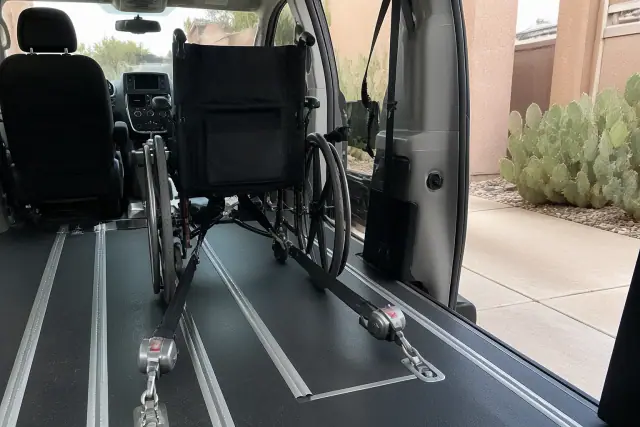
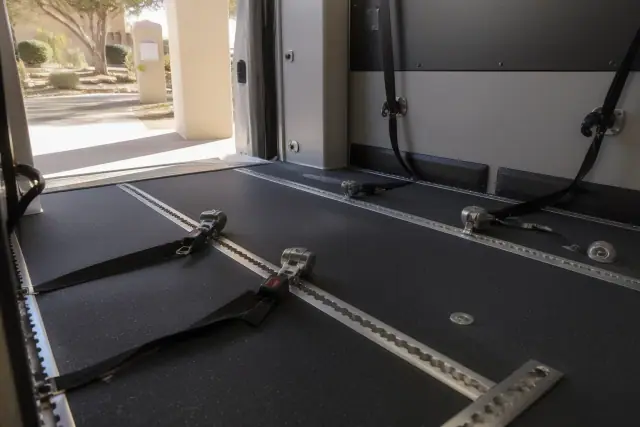
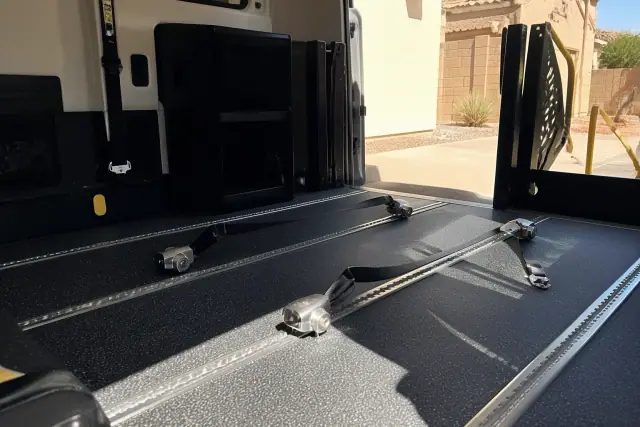
Wheelchair securement station with four-point tie-down straps inside a medical transport van in Chandler, AZ.

Hydraulic lifts and four-point tie-down securement systems accommodate manual and power wheelchairs without requiring the rider to transfer from the chair. Drivers assist from the home door through arrival at Chandler-area hospitals and clinics.

Explore Service

Stretcher Transportation

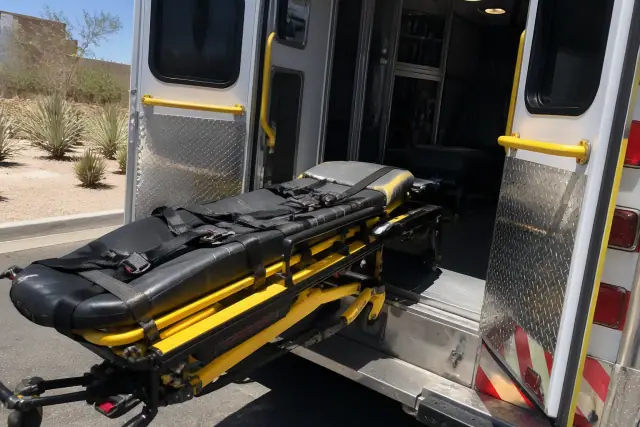
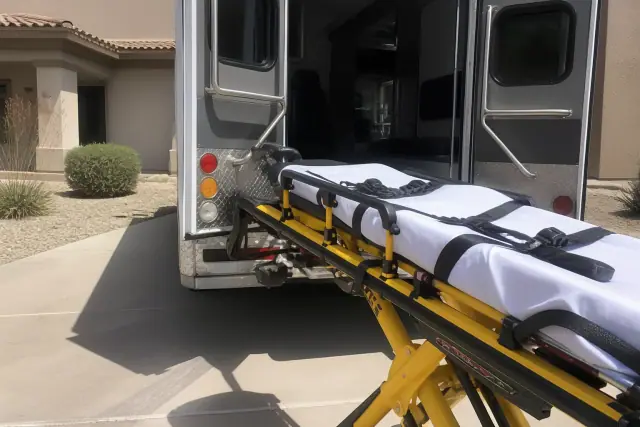
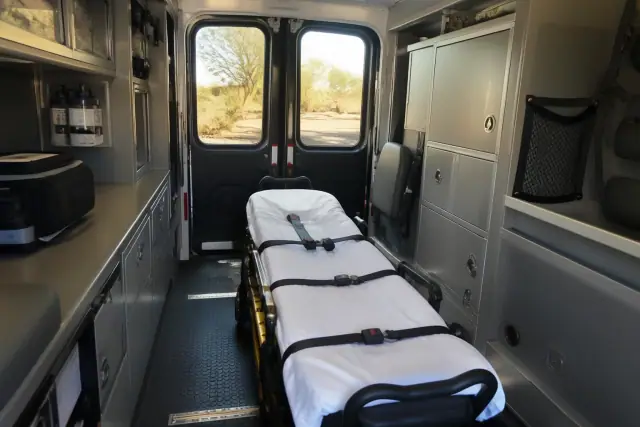
Stretcher secured at the rear of a medical transport vehicle during loading in Chandler, AZ.

Stretcher service supports non-emergency transfers for patients who must remain lying down. Trained staff use secured gurney equipment and proper body mechanics for trips between hospitals, skilled nursing facilities, and homes.

Explore Service

Ambulatory Transportation

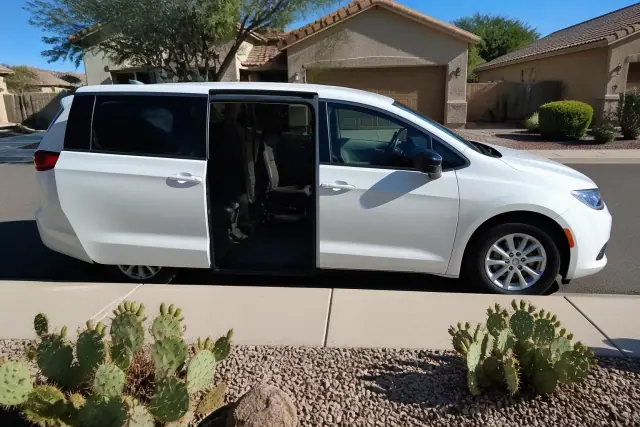
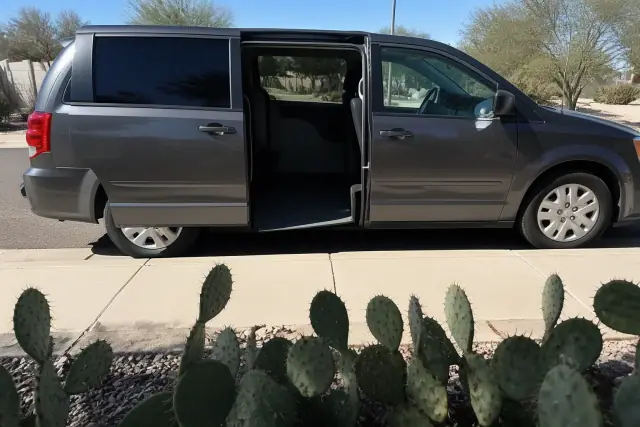
Open sliding door of an ambulatory medical transport vehicle parked curbside in Chandler, AZ.

Ambulatory rides are for patients who can walk with minimal help but should not drive because of sedation, vision limitations, or frailty. Drivers can offer an arm for balance, help with seatbelts, and wait during shorter appointments.

Explore Service

Bariatric Transportation

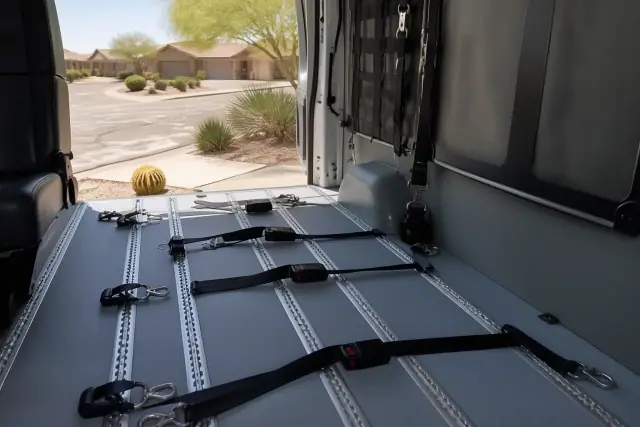
Interior of a bariatric medical transport vehicle featuring floor tracks and heavy-duty tie-down straps in Chandler, AZ.

Bariatric transport uses reinforced ramps, wider gurneys, and higher-capacity equipment for riders whose needs exceed standard vehicle equipment. Mobility details are reviewed before pickup so the appropriate unit and assistance can be assigned.

Dialysis Transportation

Interior of a medical transport vehicle with wheelchair tie-down straps and tracking systems in Chandler, AZ.

Dialysis patients who travel three times a week can use a standing ride schedule instead of rebooking every visit. Return timing accounts for treatment length and the fatigue or lightheadedness patients may experience afterward.

Medical Appointment Transportation

Wheelchair securement station with four-point tie-down straps inside a medical transport vehicle in Chandler, AZ.

Appointment rides include travel planning for check-in, paperwork, loading, and mobility assistance. Scheduling serves hospitals and specialty clinics throughout Chandler and the East Valley without requiring a family member to leave work for every trip.

Hospital Discharge Transportation

Medical stretcher secured at the rear doors of a transport vehicle in Chandler, AZ.

Dispatch coordinates with discharge planners and case managers when pickup depends on paperwork clearance. Patients can be transported from Chandler Regional or Mercy Gilbert to a home, rehabilitation facility, or skilled nursing placement.

Senior Medical Transportation

Medical transport vehicle with open side doors parked curbside at a home in Chandler, AZ.

Senior transportation includes patient-paced assistance with walkers, canes, and other mobility aids. Rides are available from private homes, independent living communities, and assisted living facilities throughout Chandler.

Door-to-Door Medical Transportation

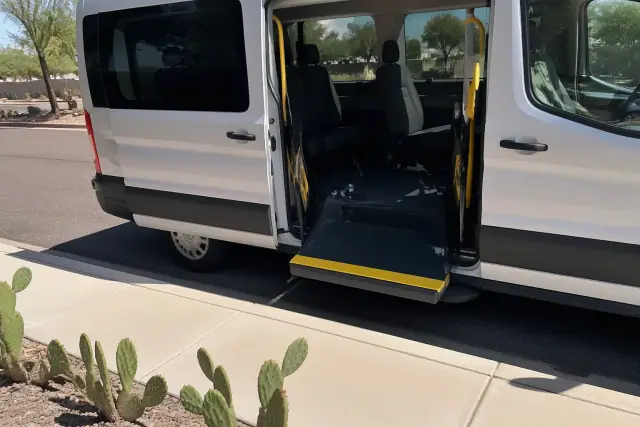
Medical transport van with sliding doors open for curbside pickup in a desert landscape in Chandler, AZ.

Door-to-door service extends beyond curbside pickup. When needed, the driver helps the patient reach the vehicle, secures the wheelchair, walker, or oxygen equipment, and assists again at the destination.

Long Distance Medical Transportation

Interior of a medical transport ambulance with a secured stretcher and equipment in Chandler, AZ.

Long-distance medical transport connects Chandler patients with specialized care in Tucson, Flagstaff, and out of state. Trips are planned with wheelchair or stretcher accommodations, patient-comfort rest stops, and coordinated arrival timing.

Choosing a Ride

How to Choose the Right Medical Transport Option

Start with the rider's ability to sit upright, walk with help, or remain in a wheelchair, then match the vehicle and staff to those needs. Chandler Paratransit, RideChoice, and Chandler Flex, which offers $1 wheelchair-accessible rides for seniors and qualifying riders, are valuable public options, but their scheduling windows and service limits may not fit every medical trip. A dedicated NEMT ride can be planned around a recurring treatment, specialist referral, discharge window, or longer transfer.

Match the Vehicle to Mobility Needs

Choose an ambulatory sedan for a rider who walks with minimal help, a wheelchair van for someone remaining in a chair, or a stretcher unit for a patient who must stay supine. Bariatric needs should be shared before booking so higher-capacity equipment can be prepared.

Verify Lift and Securement Equipment

Wheelchair riders need functional lift or ramp equipment, securement anchors, and enough interior clearance for their chair. Phoenix Non Emergency Medical Transport routinely inspects lift mechanisms, ramps, and tie-down anchors and removes a vehicle from service when equipment fails inspection.

Plan Around Appointment Timing

Allow time for loading, mobility securement, clinic check-in, and paperwork instead of planning only for drive time. Return arrangements should also reflect the likely appointment length and any post-treatment recovery time.

Confirm Door-to-Door Assistance

Clarify whether the rider needs help from inside the home, with a walker or oxygen tank, or through the clinic entrance. Door-to-door support reduces the gap between curbside arrival and safe access to the vehicle or destination.

Coordinate Recurring and Return Rides

Standing schedules reduce repeated booking for dialysis and other ongoing care. For variable appointment lengths, agree on a return window and how the patient, family, facility, and dispatch will communicate changes.

Share Medical and Companion Needs

Tell dispatch about the mobility equipment in use, oxygen, transfer help, and whether a caregiver will ride along. These details determine vehicle seating, equipment clearance, and the assistance required at both ends of the trip.

Chandler Transportation Challenges

Medical Transportation Gaps Chandler Families Face

Chandler grew from 236,123 residents in 2010 to 275,987 by the 2020 census, while medical trips continue to span a large suburban area. National survey data shows roughly 6 percent of U.S. adults have missed an appointment, meeting, or work shift because reliable transportation was unavailable, and NEMT researchers estimate a missed appointment slot costs the healthcare system between $200 and $265. Accessible vehicles, appointment-aware scheduling, and direct communication address the practical barriers behind those missed trips.

Plan My Ride

Missed or Late Medical Appointments

A late ride can shorten a specialist visit or disrupt dialysis, chemotherapy, and other recurring care. Scheduling around the actual appointment window helps protect treatment continuity.

Unsafe Summer Heat Exposure

Waiting outside for a general rideshare can be hazardous for a wheelchair user or someone with cardiac or respiratory concerns. Climate-controlled transport and coordinated pickup reduce unnecessary curbside exposure.

Inaccessible Everyday Vehicles

Standard passenger vehicles may not accommodate a power chair, gurney, reinforced ramp, or safe transfer. Medical transport equipment is selected for the rider instead of forcing the rider to fit the vehicle.

Tight Hospital Discharge Windows

Discharge paperwork can clear within a narrow pickup window while the patient still needs a wheelchair or stretcher transfer. Early coordination with a case manager gives dispatch time to match the unit to the destination and mobility need.

Weekly Dialysis Rebooking

Repeated booking creates another task for patients and caregivers managing frequent dialysis visits. A standing schedule keeps pickup and return planning connected to the regular treatment pattern.

Uncertain Return-Trip Timing

Clinics run late, discharge paperwork changes, and post-treatment recovery may take longer than expected. A defined return window and direct dispatch communication keep the patient or family informed when timing shifts.

Why Choose Us

Why Choose Phoenix Non Emergency Medical Transport in Chandler?

The service is built around medical mobility rather than general commuting. Commercial passenger-transport insurance, driver qualification standards, routine vehicle inspections, climate control, and appointment-focused dispatch support wheelchair, stretcher, ambulatory, and bariatric riders across Chandler.

Chandler and East Valley Coverage

Coverage includes Chandler neighborhoods and medical destinations as well as Gilbert, Tempe, Mesa, Ahwatukee, and central Phoenix. Dispatch can coordinate multi-city trips when a patient's specialists are spread across the East Valley and greater Phoenix area.

Trained Drivers and Inspected Vehicles

Drivers complete background checks, driving-record reviews, passenger-assistance training, wheelchair-securement training, and safe-transfer instruction before solo routes. Vehicles undergo routine mechanical and equipment inspection consistent with applicable Arizona passenger-transport requirements.

Clear Trip Communication

Drivers communicate with the patient or family contact when traffic, appointment length, or discharge timing changes the plan. If equipment or a safety concern arises, the driver contacts dispatch instead of handling the issue without support.

Simple Process

How Medical Transport Scheduling Works in Chandler

Booking begins with the pickup, destination, appointment time, mobility equipment, and assistance needs. Dispatch then matches the ride to an ambulatory, wheelchair, stretcher, or bariatric vehicle and plans the outbound and return timing.

01.

Share Trip Details

Provide the pickup address, medical destination, appointment time, mobility equipment, assistance needs, and companion information. Complete details reduce changes later in the booking process.

02.

Confirm the Vehicle Type

Dispatch selects an ambulatory sedan, wheelchair van, stretcher unit, or bariatric equipment based on the rider's condition. The patient should not have to transfer into equipment that does not fit the medical or mobility need.

03.

Prepare for Pickup

The driver arrives ahead of the needed departure to allow for door-to-door assistance, loading, and mobility-equipment securement. That buffer supports a realistic clinic or hospital check-in.

04.

Ride Directly to Care

The patient is transported directly to the appointment in a climate-controlled vehicle. When needed, the driver confirms arrival with the facility and assists the rider through the destination door.

05.

Coordinate the Return Trip

Return pickup can follow the expected appointment length or use a standing window. Patients or family contacts should notify dispatch when care runs long so timing can be adjusted.

06.

Set Up Recurring Rides

Dialysis and other repeating treatments can be placed on a recurring schedule. The family avoids weekly rebooking while dispatch keeps the vehicle type, pickup pattern, and return plan connected.

Common Ride Plans

Ride Planning for Common Medical Needs

Case Study 1: Recurring Dialysis: A standing schedule connects regular pickup, treatment timing, post-treatment recovery, and the return ride without a new booking for every visit.

Case Study 2: Hospital Discharge: Coordination with the case manager aligns the pickup with paperwork clearance and the wheelchair, stretcher, or ambulatory support needed for the destination.

Case Study 3: Long-Distance Care: Route timing, rest stops, mobility equipment, and receiving-facility arrival are planned together for travel to specialized care beyond the East Valley.

Schedule Transportation

Schedule Your
Chandler Medical
Ride

Share the patient's mobility needs, pickup point, medical destination, and appointment time so the right vehicle and assistance can be planned. Book ahead when possible, especially for recurring treatment, hospital discharge, or long-distance travel.

Chandler Ride Help

FAQs About Medical Transportation in Chandler, AZ

These answers cover pricing factors, coverage, vehicle types, scheduling, companions, return trips, and the information needed to plan a non-emergency medical ride in Chandler.

Call About a Ride

Cost depends on distance, vehicle type, mobility equipment, and whether the ride is one-time or recurring. Wheelchair service generally costs more than ambulatory transport because of lift equipment and securement time, while stretcher and bariatric trips require more specialized equipment and staff time. Pricing is provided before the ride is scheduled.

Some AHCCCS-managed Medicaid plans include non-emergency transportation benefits, but eligibility and coverage vary by managed care organization. Medicare coverage is more limited and commonly requires documentation of medical necessity. Check with the insurance plan or AHCCCS contact before booking.

Wheelchair transportation keeps a patient seated in a secured manual or power chair when the patient can remain upright. Stretcher transportation uses a secured gurney for someone who must remain lying down because of a condition, post-surgical restriction, or inability to sit safely. Stretcher trips also require different vehicle equipment and added transfer support.

Booking a few days ahead provides the best flexibility for routine appointments and the correct vehicle assignment. Same-day requests may be handled when capacity allows, but short-notice availability is not guaranteed. Long-distance trips need additional planning for routing and rest stops.

In most cases, a family member or caregiver can accompany the patient. Seating depends on the vehicle type and the space used by wheelchairs, gurneys, or other mobility equipment. Mention the companion while booking so dispatch can confirm seating.

Yes. The company carries commercial auto insurance appropriate for non-emergency passenger medical transport, and vehicles and drivers meet applicable Arizona transport requirements. Driver files include background checks, training, and qualification records, while vehicles have routine inspection documentation.

Contact dispatch as soon as you know the appointment will extend past the return window. The pickup can be adjusted around the updated timing, and drivers are familiar with delays at Chandler-area clinics and hospitals. Recurring treatment schedules can include expected recovery time.

Yes. Service extends across the East Valley and greater Phoenix area, including Gilbert, Tempe, Mesa, Ahwatukee, and central Phoenix. Longer medically necessary trips can also be planned elsewhere in Arizona or out of state.

Have the pickup address, medical destination, appointment time, and mobility equipment ready. Also share whether the rider needs a wheelchair van, stretcher, help with oxygen or a walker, transfer assistance, or seating for a caregiver. These details help dispatch match the vehicle and pickup plan.

Yes. Recurring dialysis rides can use a repeating pickup and return schedule so the patient or family does not need to rebook every visit. Return planning can account for typical treatment duration and post-treatment fatigue.

When needed, the driver helps the patient from inside the pickup location to the vehicle, secures mobility equipment, and assists again at the medical destination. This is different from curb-to-curb service, which ends at the roadside or vehicle.

Bariatric transportation uses reinforced ramps, wider gurneys, and equipment with greater weight capacity than standard transport units. Share the rider's mobility and transfer needs during booking so the suitable vehicle and staff can be assigned.

Ambulatory transportation serves patients who can walk with minimal assistance but should not drive because of sedation, reduced vision, or general frailty. The driver can assist with balance and seatbelts, and may wait through shorter appointments.

A case manager or family can share the expected discharge timing, destination, and mobility needs before paperwork clears. Dispatch then plans the appropriate wheelchair, stretcher, bariatric, or ambulatory vehicle for transport home, to rehabilitation, or to skilled nursing care.

Long-distance trips require advance coordination for route length, rest stops, ride duration, wheelchair or stretcher accommodations, and receiving-facility timing. Share any comfort, mobility, and caregiver needs when scheduling travel to Tucson, Flagstaff, or an out-of-state facility.