Proudly serving Phoenix, Mesa, Glendale, Scottsdale, Tempe, Chandler & surrounding areasCall or Text 24/7: 602-449-8153
Aerial view of Phoenix, AZ, showing desert foothills, saguaro cacti, and residential neighborhoods at sunset.

Medical Transport in Tempe, AZ: Full-Service Wheelchair, Stretcher & Bariatric Travel

Phoenix Non Emergency Medical Transport provides coordinated non-emergency medical transportation in Tempe, Arizona, for patients whose mobility and appointment needs require more than a standard ride. Services include Wheelchair Transportation, Stretcher Transportation, Ambulatory Transportation, and Bariatric Transportation. We also arrange Dialysis Transportation, Medical Appointment Transportation, Hospital Discharge Transportation, Senior Medical Transportation, Door-to-Door Medical Transportation, and Long Distance Medical Transportation. Each trip is matched to the patient's medical needs, vehicle type, equipment, and staffing requirements.

Tempe's summer heat regularly climbs past 110 degrees, making an outdoor wait a safety concern for wheelchair users, dialysis patients, and seniors recovering from procedures. Dense travel around Arizona State University, fixed clinic schedules, and recurring treatments add pressure to every pickup window. Drivers coordinate mobility assistance and securement so patients are not left at the curb without support. Local route knowledge also helps the team plan around traffic and reach accessible facility entrances.

Tempe's 2020 Census population of 180,587 is spread across a 40-square-mile city, from downtown and the Mill Avenue District to South Tempe, the Kyrene Corridor, Escalante, and Broadmor.

★ ★ ★ ★ ★4.9/5 Average Rating - 20+ Years of Experience - Thousands of Customers Helped - Licensed & Insured - Patients, Families & Care Teams
Tempe Transport Services

Medical Transportation Services in Tempe, AZ

Tempe patients can schedule rides for routine appointments, dialysis, hospital discharges, and mobility-assisted travel across the East Valley. Service also connects Tempe with Mesa, Scottsdale, Guadalupe, Phoenix, and Chandler, AZ for specialty care throughout the Valley.

Wheelchair Transportation

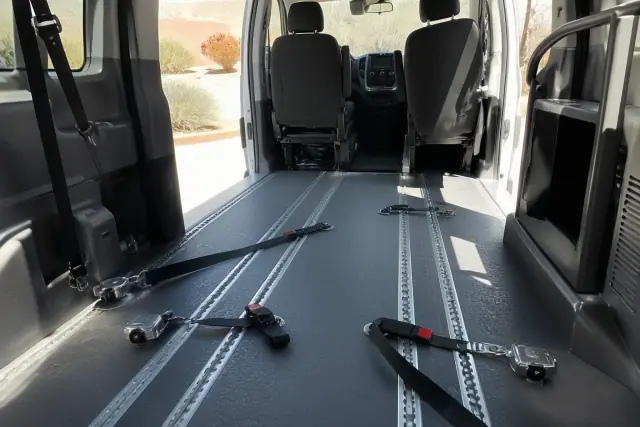
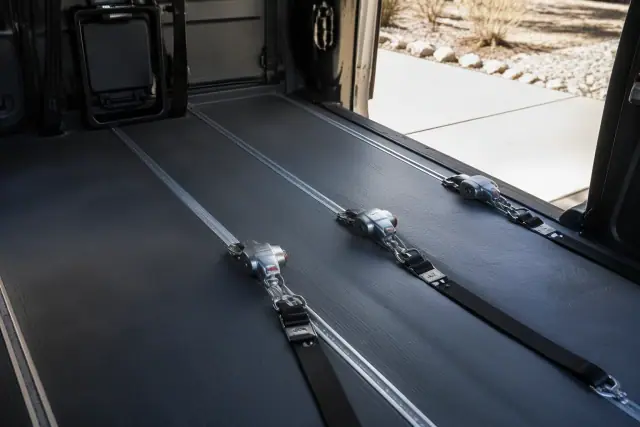
Wheelchair transportation vehicle interior with floor tracks and four-point tie-down straps in Tempe, AZ.

Wheelchair vans use hydraulic lifts or ramps and four-point tie-down securement systems that meet WC19 wheelchair transportation safety standards. Drivers assist with seatbelt fit, transfers, and securement for manual chairs, power chairs, and scooters before the vehicle moves.

Explore Service

Stretcher Transportation

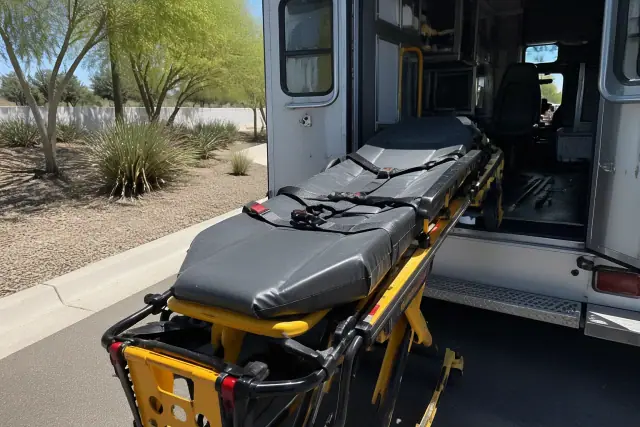
Medical transport stretcher with safety belts and locking mechanism secured at a vehicle in Tempe, AZ.

Patients who cannot sit upright can travel between Tempe-area homes, hospitals, and skilled nursing facilities in a stretcher-equipped van. Secured gurney mounts, oxygen capability, and trained attendants support the trip.

Explore Service

Ambulatory Transportation

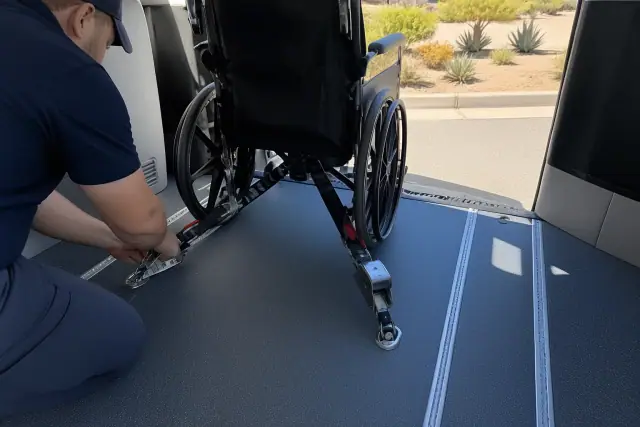
Technician checking tension on four-point wheelchair tie-down straps in a transport vehicle in Tempe, AZ.

For patients identified as ambulatory during booking, dispatch coordinates a medical ride around the appointment time and the assistance requested. The patient's mobility level is recorded before a vehicle and driver are assigned.

Explore Service

Bariatric Transportation

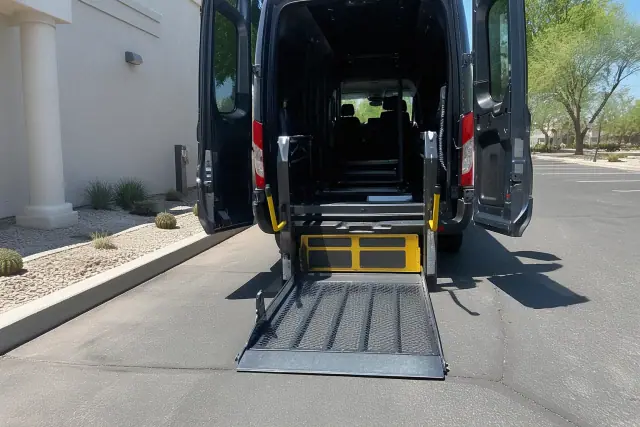
Automated hydraulic lift ramp lowered for medical transport in Tempe, AZ.

Bariatric rides use reinforced ramps, wider securement points, and higher-capacity lift equipment. Dispatch matches the patient with an appropriately rated vehicle and staff trained in safe bariatric transfer technique.

Dialysis Transportation

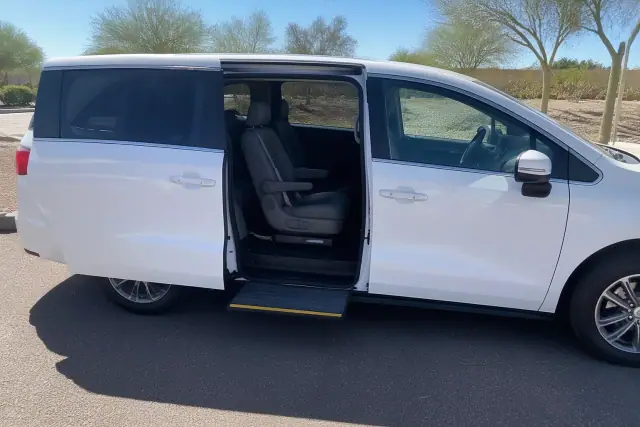
Medical transport vehicle with open side door and step for dialysis patient boarding in Tempe, AZ.

Dialysis transportation can be arranged as a standing weekly route around the patient's center appointment times. Because treatment is commonly needed three times a week, consistent pickup planning helps prevent transportation gaps.

Medical Appointment Transportation

Medical transport vehicle with open side doors for boarding assistance parked curbside in Tempe, AZ.

Medical appointment rides cover specialist visits, imaging, therapy, outpatient surgery, and routine doctor visits. Pickup windows include a buffer for Tempe traffic near ASU and the US-60/Loop 202 interchange, with confirmation the day before.

Hospital Discharge Transportation

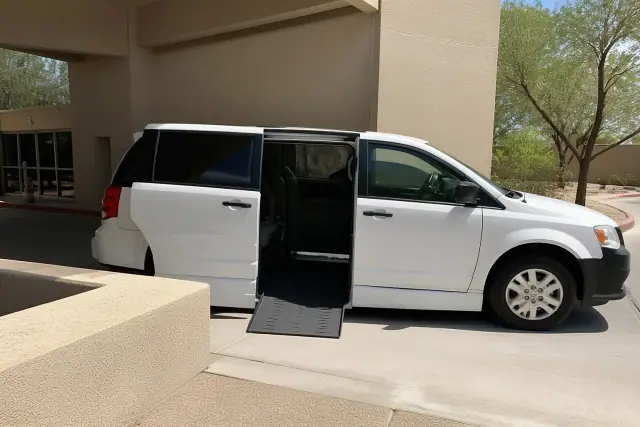
Medical transport vehicle with open side doors at a curb in Tempe, AZ.

Hospital discharge transportation can use a wheelchair- or stretcher-equipped vehicle based on the patient's condition. The team coordinates release timing with discharge planners and helps the patient get settled at home.

Senior Medical Transportation

Wheelchair securement station with four-point tie-down straps inside a medical transport van in Tempe, AZ.

Senior medical transportation includes walker and wheelchair assistance, a door-to-door escort, and patient-paced help. Drivers support older adults without rushing transfers, loading, or entry into the appointment.

Door-to-Door Medical Transportation

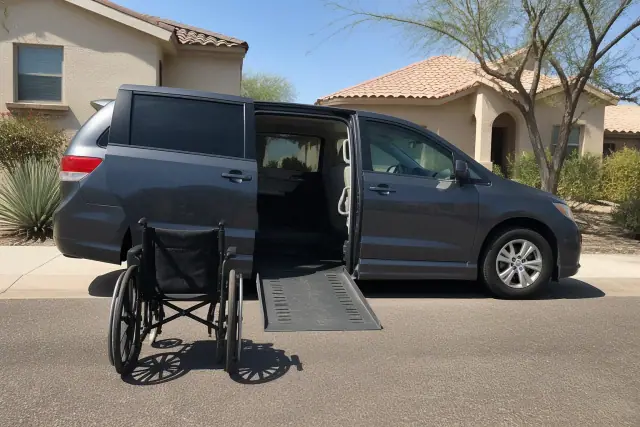
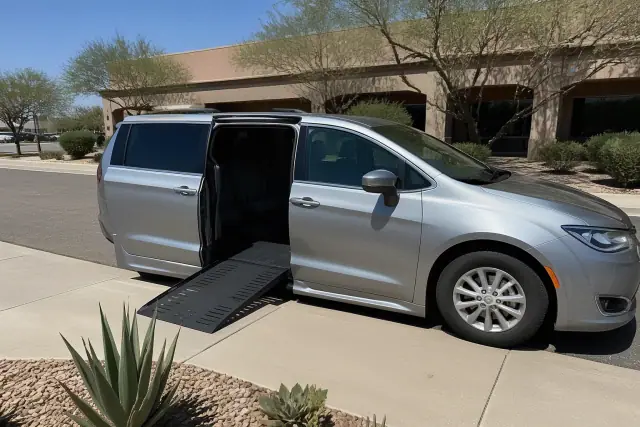
Medical transport van with a deployed wheelchair ramp parked on a concrete surface in Tempe, AZ.

Door-to-door service includes help from the patient's door to the vehicle and from the vehicle into the appointment. This added escort is especially useful for frail seniors and post-surgical patients who should not be left at the curb.

Long Distance Medical Transportation

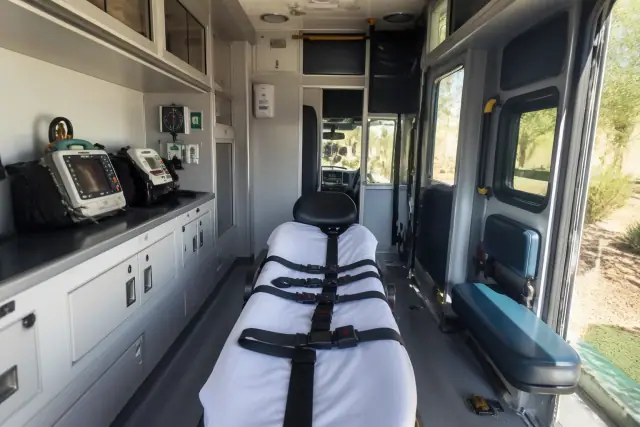
Interior of a medical transport ambulance showing equipment and safety restraints in Tempe, AZ.

Long Distance Medical Transportation connects Tempe pickups with specialists and medical facilities elsewhere in the Valley. Dispatch plans the destination, mobility equipment, staffing, and pickup window around the patient's care needs.

Choosing a Ride

How to Choose Medical Transportation in Tempe

The right ride depends on the patient's mobility, required equipment, assistance level, appointment schedule, and facility access. Share those details during booking so dispatch can match the vehicle, attendant support, and pickup plan to the trip.

Patient Mobility Level

Start by identifying whether the patient is ambulatory, uses a wheelchair, or cannot sit upright and needs stretcher transport. This determines the basic vehicle and loading setup.

Vehicle and Equipment Fit

Confirm whether the trip needs a ramp, hydraulic lift, power-chair securement, oxygen capability, or higher-capacity bariatric equipment. The vehicle should be selected for the patient's actual mobility device and condition.

Assistance at Both Doors

Ask whether the patient needs curb-to-curb service or help through the door at pickup and destination. Door-through-door support can include transfers, vehicle entry, facility escort, and check-in coordination.

Appointment and Recurring Schedule

Match the ride plan to a one-time appointment, hospital release, or recurring treatment schedule. Dialysis routes need especially consistent pickup windows aligned with center appointment times.

Trained Attendant Support

Look for staff who understand safe transfers, mobility-aid handling, and patient-paced assistance. Phoenix Non Emergency Medical Transport drivers carry current CPR and first aid certification.

Flexible Return-Ride Coordination

Medical visits do not always end on schedule, so return coordination matters. Dispatch can adjust pickup timing when an appointment runs long instead of leaving the patient waiting in a lobby.

Tempe Transport Barriers

Common Medical Transportation Barriers in Tempe

About 6 percent of adults report that unreliable transportation has kept them from appointments, meetings, or work. For Tempe patients with mobility needs, heat, rigid treatment times, inaccessible loading areas, and traffic can turn that broad transportation gap into a missed medical visit.

Discuss Ride Needs

Extreme Heat During Pickup

A 115-degree afternoon can make waiting outside Tempe St. Luke's Hospital or a Southern Avenue dialysis center dangerous. Scheduled arrivals and direct driver communication reduce unnecessary curbside exposure.

Rigid Dialysis Schedules

Dialysis appointment times do not easily shift when a ride is late or unavailable. Standing routes align recurring pickups with the patient's treatment center schedule.

Difficult Accessible Loading Areas

Older buildings near Mill Avenue, uneven curb cuts, and tight parking around ASU can complicate wheelchair loading. Drivers need to identify accessible entrances and safe loading zones before transfer.

Vehicles That Do Not Match Mobility Needs

A standard passenger vehicle may not provide the lift, ramp, gurney mount, or securement a patient requires. Recording mobility and equipment needs before dispatch prevents a mismatched pickup.

Post-Discharge Transfer Needs

After a procedure, a patient may need wheelchair or stretcher support plus help entering the home. Coordination with hospital discharge planners keeps the ride aligned with the release time and mobility plan.

Traffic and Appointment Delays

ASU game-day traffic can back up Rural Road and Mill Avenue, while monsoon storms can disrupt familiar routes. Local planning and pickup buffers help protect appointment timing.

Why Choose Us

Why Choose Phoenix Non Emergency Medical Transport in Tempe?

Medical transportation requires more than an address and a pickup time. Phoenix Non Emergency Medical Transport combines local Tempe route knowledge, need-matched dispatch, direct communication, accessible vehicles, and routine inspections consistent with Arizona Department of Transportation commercial vehicle standards.

Tempe Route and Entrance Knowledge

Drivers understand ASU traffic patterns, monsoon-sensitive routes, and the difference between a facility's main door and its accessible loading entrance. That familiarity supports more accurate pickup planning.

Needs-Matched Dispatch

Dispatch asks about mobility level, addresses, appointment time, and equipment such as oxygen or a bariatric lift. Those details guide the vehicle, driver, staffing, and pickup window selected for the ride.

Direct Ride Communication

Drivers communicate delays directly to the patient or family, and dispatch coordinates with facility staff when return timing changes. Patients are not expected to manage a shifting medical schedule alone.

Coordinated Ride Process

How Medical Transportation Works in Tempe

Booking begins by phone and continues through vehicle matching, pickup confirmation, assisted transport, and return coordination. Routine rides are best scheduled at least 24 to 48 hours ahead; same-day requests may be accommodated when scheduling allows.

01.

Call With Trip Details

Provide the pickup and destination addresses, appointment time, contact information, and whether a return ride is needed.

02.

Confirm Mobility and Equipment

Describe whether the patient is ambulatory, uses a manual or power wheelchair, needs a stretcher, or requires oxygen or bariatric lift capability.

03.

Match the Vehicle and Driver

Dispatch assigns the accessible vehicle, securement setup, equipment, and staffing that match the patient's condition.

04.

Confirm the Pickup Window

The pickup window is planned around the appointment and Tempe traffic, then confirmed before the trip. Recurring rides can be organized as standing routes.

05.

Assist, Secure, and Transport

The driver assists with transfer and entry, checks seatbelt positioning and mobility-device securement, and then completes the scheduled transport.

06.

Escort and Coordinate the Return

At the destination, the driver escorts the patient inside and confirms check-in when needed. Dispatch adjusts the return pickup if the appointment runs long.

Coordinated Ride Plans

Medical Transport Plans for Tempe Patients

Case Study 1: Recurring dialysis route: Standing weekly pickups can align the vehicle and driver with the treatment center's recurring appointment schedule.

Case Study 2: Hospital-to-home transition: Discharge staff can coordinate a wheelchair- or stretcher-equipped ride that includes assistance getting settled at home.

Case Study 3: Appointment-day flexibility: Pickup buffers account for Tempe traffic, while dispatch can adjust the return when a clinic visit runs longer than planned.

Schedule Transportation

Schedule a Tempe
Medical Transport
Ride

Call to discuss the patient's mobility, medical equipment, destination, appointment time, and assistance needs. The team will use those details to coordinate an appropriate Tempe medical transportation plan.

Tempe NEMT Help

Medical Transportation FAQs for Tempe, AZ

These answers explain booking, mobility assistance, accessible vehicles, recurring rides, discharge coordination, and service coverage for Tempe patients and families.

Call About a Ride

Available services include wheelchair, stretcher, ambulatory, bariatric, dialysis, medical appointment, hospital discharge, senior, door-to-door, and long-distance medical transportation. Each ride is scheduled around the patient's mobility, equipment, staffing, and destination needs.

Wheelchair vehicles use four-point tie-down securement systems that meet WC19 wheelchair transportation safety standards. Drivers also check seatbelt fit and securement before moving the vehicle.

Yes. The driver can assist from the patient's door to the vehicle, help with loading and securement, and escort the patient from the vehicle into the appointment.

Booking starts with a phone call. Be ready to share the patient's mobility level, pickup and destination addresses, appointment time, return-ride needs, and equipment such as oxygen or a bariatric lift.

Routine and scheduled transportation should be booked at least 24 to 48 hours ahead. That lead time gives dispatch room to match the vehicle, driver, and pickup window to the patient's needs.

Same-day requests may be accommodated when scheduling allows. Calling with complete mobility, equipment, destination, and appointment details helps dispatch evaluate the request.

Yes. Standing weekly routes can be built around the dialysis center's appointment times so recurring pickups remain consistent.

Yes. Stretcher transportation is available between Tempe-area homes, hospitals, and skilled nursing facilities, using secured gurney mounts, oxygen capability, and trained attendants.

Bariatric vehicles use reinforced ramps, wider securement points, and higher-capacity lift equipment. Dispatch selects a vehicle rated for the patient's needs and staff trained in safe bariatric transfer technique.

Yes. The team works with discharge planners to match the ride to the release time and the patient's wheelchair or stretcher needs. Assistance can continue through the patient's entry and settling at home.

Yes. Senior medical transportation can include walker or wheelchair assistance, door-to-door escort, and patient-paced help with transfers and facility entry.

Coverage includes downtown Tempe, the Mill Avenue District, the ASU campus area, South Tempe, the Kyrene Corridor, Escalante, Broadmor, Tempe Town Lake, and Papago Park. Rides also connect with Mesa, Chandler, Scottsdale, Guadalupe, Phoenix, and specialty clinics throughout the Valley.

Arizona's AHCCCS authorizes non-emergency medical transportation for eligible members, and some Medicare Advantage enrollees have transportation benefits. Phoenix Non Emergency Medical Transport serves AHCCCS members, enrollees with applicable Medicare Advantage benefits, and private-pay families, so confirm authorization and plan terms when scheduling.

The patient or facility staff can coordinate with dispatch when the return time changes. Dispatch adjusts the return pickup rather than leaving the patient without a ride plan in the lobby.

Drivers carry current CPR and first aid certification. Vehicles follow a routine inspection schedule consistent with Arizona Department of Transportation commercial vehicle standards, and accessible equipment is checked before transport.